
Dr. Steven Hurley
IL Psychologist 071007009Illinois · 19 yrs exp
Dr. Steven Hurley - Psychologist, Life purpose and mood concerns
Stress, Anxiety · LGBT · Relationship · Trauma and abuse · +9 more
Read profileTherapist listings are provided by BetterHelp. We will earn a commission at no additional cost to you if you use our links to purchase.
Use these profiles to compare professionals who list Self-Love alongside life purpose, direction and meaning. Look at listed location, approaches, credentials and languages to find profiles you want to learn more about and then browse individual profiles.
Illinois · 19 yrs exp
Dr. Steven Hurley - Psychologist, Life purpose and mood concerns
Stress, Anxiety · LGBT · Relationship · Trauma and abuse · +9 more
Read profile
Florida · 23 yrs exp
LICSW LCSW - Life purpose and intimacy
LGBT · Intimacy-related issues
Read profile
Minnesota · 14 yrs exp
LMFT - Relationships and Life Purpose
Stress, Anxiety · Relationship · Family · Trauma and abuse · +8 more
Read profile
District of Columbia · 20 yrs exp
Licensed Professional Counselor - Trauma and Coaching
Trauma and abuse · Self esteem · Bipolar · Depression · +1 more
Read profile
Texas · 11 yrs exp
Licensed Professional Counselor - Mood and life purpose
Stress, Anxiety · Bipolar · Depression · Self esteem · +2 more
Read profile
Arizona · 6 yrs exp
Licensed Professional Counselor - Life purpose and relationships
Stress, Anxiety · Relationship · Family · Self esteem · +11 more
Read profile
Oregon · 14 yrs exp
LPC in Oregon - Life purpose and coping concerns
Grief · Self esteem · Career · Depression · +8 more
Read profile
Oregon · 32 yrs exp
Licensed Marriage and Family Therapist - Life purpose, relationships
Stress, Anxiety · Relationship · Trauma and abuse · Grief · +9 more
Read profile
Texas · 12 yrs exp
LPC in Texas - Life purpose and mood concerns
Stress, Anxiety · Self esteem · Career · Depression · +9 more
Read profile
Texas · 10 yrs exp
Licensed Professional Counselor - Relationships and Life Purpose
Relationship · Family · Anger · Self esteem · +12 more
Read profile
Oklahoma · 30 yrs exp
LPC - Life purpose and relationship focus
Stress, Anxiety · Grief · Intimacy-related issues · Depression · +8 more
Read profile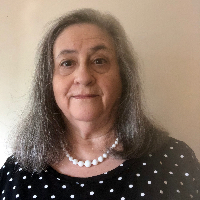
Mississippi · 23 yrs exp
LCSW - Life purpose and coping concerns
Stress, Anxiety · Grief · Anger · Self esteem · +8 more
Read profile
North Carolina · 13 yrs exp
LCSW focusing on life purpose and confidence
Stress, Anxiety · Relationship · Family · Self esteem · +13 more
Read profile
California · 14 yrs exp
Licensed Clinical Social Worker - Life purpose and adjustment
Stress, Anxiety · Trauma and abuse · Grief · Self esteem · +8 more
Read profile
South Carolina · 10 yrs exp
LISW-CP - Stress and relationship concerns
Stress, Anxiety · Relationship · Family · Trauma and abuse · +1 more
Read profile
Michigan · 35 yrs exp
LMSW in Michigan - Life purpose and relationships
Stress, Anxiety · Addictions · Trauma and abuse · Self esteem · +3 more
Read profile
North Carolina · 20 yrs exp
Licensed Professional Counselor - Life purpose and relationships
Stress, Anxiety · Relationship · Family · Self esteem · +9 more
Read profile
Florida · 13 yrs exp
Florida LMHC - Life purpose and anxiety
Stress, Anxiety · Self esteem · Career · Depression · +3 more
Read profile
Indiana · 11 yrs exp
LCSW - Life purpose and relationship focus
Stress, Anxiety · Grief · Depression · Coping with life changes · +8 more
Read profile
Kentucky · 11 yrs exp
Licensed Marriage and Family Therapist - relationships and life transitions
Stress, Anxiety · Relationship · Family · Self esteem · +9 more
Read profile
Pennsylvania · 9 yrs exp
Licensed Professional Counselor - Life purpose and transitions
Stress, Anxiety · Grief · Parenting · Self esteem · +11 more
Read profile
Mississippi · 9 yrs exp
Licensed Professional Counselor - Stress and Life Purpose
Stress, Anxiety · Trauma and abuse · Parenting · Anger · +13 more
Read profile
Louisiana · 14 yrs exp
Dr. Lawana Mabry - LCSW, Life purpose and coping
Stress, Anxiety · Anger · Self esteem · Depression · +9 more
Read profile
Mississippi · 12 yrs exp
LCSW - Life purpose and coping support
Stress, Anxiety · Addictions · Anger · Self esteem · +12 more
Read profile
Florida · 20 yrs exp
Florida LMHC - Life purpose and transitions
Stress, Anxiety · Relationship · Family · Self esteem · +9 more
Read profile
Virginia · 14 yrs exp
Licensed Professional Counselor - Trauma and Life Changes
Trauma and abuse · Grief · Coping with life changes · Compassion fatigue · +12 more
Read profile
Nebraska · 25 yrs exp
LMHP counselor - Life purpose and coping support
Stress, Anxiety · Family · Trauma and abuse · Parenting · +12 more
Read profile
Alabama · 20 yrs exp
Licensed Professional Counselor - Life purpose and transitions
Stress, Anxiety · Relationship · Grief · Depression · +9 more
Read profile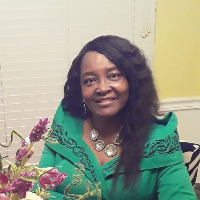
Florida · 20 yrs exp
LMHC in Florida - Stress and relationships
Stress, Anxiety · Addictions · Relationship · Self esteem · +1 more
Read profile
Michigan · 16 yrs exp
Licensed Professional Counselor - Relationships and Addictions
Stress, Anxiety · Addictions · Relationship · Parenting · +8 more
Read profileIf you feel stuck, directionless or unsure what matters after a change in work, relationships, health or life stage, you are not alone in looking for ways to relate to yourself differently. You may be struggling with low motivation, persistent self-criticism, a sense that decisions feel impossible, or the pressure to have everything figured out. Those feelings can show up as declining mood, avoidance of choices, or a shrinking sense of what feels meaningful to you. When you look at profiles here, you can focus on how practitioners describe working with adults facing transitions and the kinds of concerns they list alongside Self-Love and life purpose.
Pay attention to how a profile frames the problem - whether the practitioner emphasizes values exploration, behavioural habits, emotion regulation or practical decision-making. That language gives you a clearer idea of whether their stated focus aligns with what you want to address. If low mood includes thoughts of harming yourself, call local emergency services or a crisis line immediately; in the United States call 988, in the United Kingdom call 999 or Samaritans, and in Australia call 000 or Lifeline, or follow local crisis guidance.
Self-love and questions of purpose often appear together for people who are re-evaluating what matters. You might find that increasing self-acceptance changes how you weigh options, or that clarifying values gives a steadier foundation for decisions. It is also possible to work on self-worth without arriving at a single neat life purpose, and many people aim to build a sense of direction that leaves room for change rather than promising a final answer. On this site you will see profiles that list both Self-Love and life purpose as focus areas; that listing does not imply a causal link or a guaranteed outcome, but it does indicate that the professional has chosen to highlight both topics when describing their work.
When you read profiles, note whether the practitioner frames purpose and meaning as a process - for example, exploring values, trying different activities, or addressing barriers like shame and avoidance - or as an endpoint to discover. That distinction can matter in your search because it helps you match a professional's orientation to your own preference for pragmatic exploration or deeper reflective work. Also consider whether cultural context, language and lived experience are discussed, since these factors shape how purpose and self-regard are understood and supported.
Comparing profiles becomes more practical when you have specific questions in mind. You can ask a practitioner how they typically describe their work with adults who want to develop self-compassion or to clarify direction, and request examples of the kinds of conversations or exercises they use. Ask which approaches they list on their profile and how those approaches might look in practice - for instance, you can say you saw an approach listed and ask what a typical session using that approach tends to focus on. Remember that a profile listing an approach is not the same as a certification statement; phrase your questions to learn how the approach is applied rather than assuming a particular credential.
Clarify the practitioner’s experience with issues similar to yours, including life transitions, low mood or decision fatigue. You may want to know whether they work primarily with adults, whether they mention working with people from particular cultural or language backgrounds, and how they describe their communication style - whether more directive and action-focused, or reflective and exploratory. In the United States, confirm the professional’s licensing status; in the United Kingdom and Australia you can ask about registration or membership with relevant professional bodies. Also distinguish academic degrees - such as PhD, PsyD, MD, MA or MSW - from the professional license or registration that permits clinical practice in a given jurisdiction.
If you plan to meet remotely, talk with the practitioner about what online sessions will cover and what falls outside their scope. Online talk therapy can be suitable for discussing values, motivation and mood, but it is not the same as career coaching or religious guidance. Ask how they handle situations that may require urgent or in-person care, and whether they will help you access local supports if needed. Confirm the listed location and understand that licensing and registration rules depend on the place where you and the practitioner are located at the time of sessions, so jurisdiction can affect what services can be provided.
Discuss basic logistics so you know what to expect: how they handle session length and cancellations, what platform they use and what steps they recommend if technology fails, and how they approach language needs or the use of interpreters. If you have concerns about safety or are experiencing thoughts of self-harm, mention this clearly at the first contact and follow immediate crisis guidance if needed. A practitioner can explain their emergency plan and whether they will coordinate with other local supports when appropriate.
When you review profiles, compare the emphasis placed on different focus areas: is Self-Love listed as a primary focus or an additional area? Does the profile name life purpose, direction or meaning alongside it, and in what terms? Look at the approaches listed and consider asking practitioners to explain how they use those approaches with adults working on self-worth or direction. You can also compare academic degrees separately from professional authorization to practise. A degree such as PhD, PsyD, MD, MA or MSW indicates training and study, while licenses in the United States and registration or membership in the United Kingdom and Australia indicate the ongoing permission or professional affiliation that matters for clinical practice.
Language and cultural background are practical comparison points. If you prefer sessions in a specific language or with someone who understands particular cultural expectations, check whether that is mentioned on the profile and ask how those aspects show up in their work. Finally, consider the tone and style described on the profile: some practitioners describe a structured, goal-oriented way of working, while others describe a more exploratory, reflective approach. Think about what feels most helpful to you now - clearer short-term decisions, developing steady motivation, or working through long-held self-criticism - and use that to guide which profiles you choose to read in depth.
After you compare profiles, you can contact practitioners to ask the concrete questions that matter most to your situation. Use listed location, stated approaches, credentials, language and the way a profile describes the work to narrow options in a way that fits your needs and circumstances. Browse profiles to start that process and take the next step at your own pace.
Alabama
115 therapists
Alaska
12 therapists
Arizona
80 therapists
Arkansas
64 therapists
Australia
278 therapists
California
807 therapists
Colorado
157 therapists
Connecticut
79 therapists
Delaware
16 therapists
District of Columbia
21 therapists
Florida
710 therapists
Georgia
171 therapists
Hawaii
27 therapists
Idaho
44 therapists
Illinois
268 therapists
Indiana
105 therapists
Iowa
34 therapists
Kansas
48 therapists
Kentucky
105 therapists
Louisiana
126 therapists
Maine
26 therapists
Maryland
127 therapists
Massachusetts
85 therapists
Michigan
251 therapists
Minnesota
80 therapists
Mississippi
76 therapists
Missouri
142 therapists
Montana
38 therapists
Nebraska
36 therapists
Nevada
54 therapists
New Hampshire
15 therapists
New Jersey
157 therapists
New Mexico
27 therapists
New York
410 therapists
North Carolina
251 therapists
North Dakota
6 therapists
Ohio
181 therapists
Oklahoma
131 therapists
Oregon
54 therapists
Pennsylvania
244 therapists
Rhode Island
14 therapists
South Carolina
112 therapists
South Dakota
15 therapists
Tennessee
106 therapists
Texas
811 therapists
United Kingdom
1164 therapists
Utah
60 therapists
Vermont
16 therapists
Virginia
132 therapists
Washington
106 therapists
West Virginia
20 therapists
Wisconsin
92 therapists
Wyoming
23 therapists