
Marsha Oxamendi
LCSWFlorida · 14 yrs exp
Florida LCSW - Life purpose and stress
Stress, Anxiety · Grief · Anger · Self esteem · +12 more
Read profileTherapist listings are provided by BetterHelp. We will earn a commission at no additional cost to you if you use our links to purchase.
If you are noticing emotional exhaustion, shrinking motivation, or questions about what matters, you can compare profiles here to find clinicians who list Compassion Fatigue alongside life purpose and meaning. Use the filters to review listed location, languages, credentials and therapeutic approaches, and browse profiles to learn more.
Florida · 14 yrs exp
Florida LCSW - Life purpose and stress
Stress, Anxiety · Grief · Anger · Self esteem · +12 more
Read profile
Arizona · 6 yrs exp
Licensed Professional Counselor - Life purpose and relationships
Stress, Anxiety · Relationship · Family · Self esteem · +11 more
Read profile
Texas · 22 yrs exp
LPC for adults - life purpose and transitions
Stress, Anxiety · Grief · Career · Depression · +9 more
Read profile
Oregon · 14 yrs exp
LPC in Oregon - Life purpose and coping concerns
Grief · Self esteem · Career · Depression · +8 more
Read profile
Oregon · 32 yrs exp
Licensed Marriage and Family Therapist - Life purpose, relationships
Stress, Anxiety · Relationship · Trauma and abuse · Grief · +9 more
Read profile
Michigan · 45 yrs exp
Licensed counselor - Life purpose and addiction support
Stress, Anxiety · Addictions · Trauma and abuse · Grief · +10 more
Read profile
Texas · 10 yrs exp
Licensed Professional Counselor - Relationships and Life Purpose
Relationship · Family · Anger · Self esteem · +12 more
Read profile
Oklahoma · 30 yrs exp
LPC - Life purpose and relationship focus
Stress, Anxiety · Grief · Intimacy-related issues · Depression · +8 more
Read profile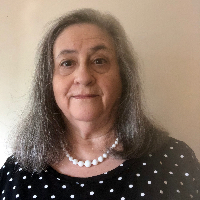
Mississippi · 23 yrs exp
LCSW - Life purpose and coping concerns
Stress, Anxiety · Grief · Anger · Self esteem · +8 more
Read profile
North Carolina · 13 yrs exp
LCSW focusing on life purpose and confidence
Stress, Anxiety · Relationship · Family · Self esteem · +13 more
Read profile
California · 14 yrs exp
Licensed Clinical Social Worker - Life purpose and adjustment
Stress, Anxiety · Trauma and abuse · Grief · Self esteem · +8 more
Read profile
Kentucky · 11 yrs exp
Licensed Marriage and Family Therapist - relationships and life transitions
Stress, Anxiety · Relationship · Family · Self esteem · +9 more
Read profile
Pennsylvania · 9 yrs exp
Licensed Professional Counselor - Life purpose and transitions
Stress, Anxiety · Grief · Parenting · Self esteem · +11 more
Read profile
Mississippi · 9 yrs exp
Licensed Professional Counselor - Stress and Life Purpose
Stress, Anxiety · Trauma and abuse · Parenting · Anger · +13 more
Read profile
Louisiana · 14 yrs exp
Dr. Lawana Mabry - LCSW, Life purpose and coping
Stress, Anxiety · Anger · Self esteem · Depression · +9 more
Read profile
Florida · 20 yrs exp
Florida LMHC - Life purpose and transitions
Stress, Anxiety · Relationship · Family · Self esteem · +9 more
Read profile
Virginia · 14 yrs exp
Licensed Professional Counselor - Trauma and Life Changes
Trauma and abuse · Grief · Coping with life changes · Compassion fatigue · +12 more
Read profile
Nebraska · 25 yrs exp
LMHP counselor - Life purpose and coping support
Stress, Anxiety · Family · Trauma and abuse · Parenting · +12 more
Read profile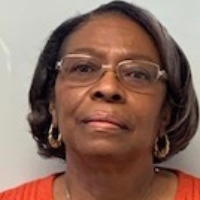
Alabama · 20 yrs exp
Licensed Professional Counselor - Life purpose and transitions
Stress, Anxiety · Relationship · Grief · Depression · +9 more
Read profile
Illinois · 38 yrs exp
Licensed counselor - Life purpose and coping
Stress, Anxiety · Self esteem · Depression · Coping with life changes · +9 more
Read profile
Michigan · 10 yrs exp
Licensed counselor - Life purpose and relationships
Stress, Anxiety · Family · Trauma and abuse · Grief · +12 more
Read profile
Florida · 11 yrs exp
LMHC in Florida - Stress and relationships
Stress, Anxiety · Relationship · Parenting · Self esteem · +11 more
Read profile
Wyoming · 14 yrs exp
LCSW - Life purpose and change work
Addictions · Relationship · Depression · Coping with life changes · +11 more
Read profile
Texas · 26 yrs exp
Licensed Professional Counselor - Life purpose and transitions
Stress, Anxiety · Relationship · Trauma and abuse · Grief · +11 more
Read profile
Illinois · 10 yrs exp
LCSW - Stress and Life Purpose
Stress, Anxiety · Trauma and abuse · Grief · Self esteem · +11 more
Read profile
Pennsylvania · 15 yrs exp
Licensed Professional Counselor - Life purpose and transitions
Stress, Anxiety · Relationship · Self esteem · Depression · +14 more
Read profile
Florida · 8 yrs exp
LMHC in Florida - Life purpose and mood concerns
Stress, Anxiety · Trauma and abuse · Parenting · Self esteem · +11 more
Read profile
Michigan · 26 yrs exp
LMSW in Michigan - Life purpose and relationships
Stress, Anxiety · Addictions · Relationship · Grief · +14 more
Read profile
North Carolina · 27 yrs exp
Licensed counselor - Life purpose and transitions
Stress, Anxiety · Self esteem · Coping with life changes · Relationship · +7 more
Read profile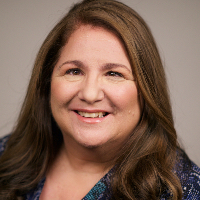
Florida · 24 yrs exp
Florida LMHC for stress and career support
Stress, Anxiety · Career · Depression · Coping with life changes · +12 more
Read profileCompassion fatigue is commonly described as a persistent sense of emotional depletion that can follow prolonged caregiving, high-stress work, or ongoing exposure to the suffering of others. You may notice a reduced sense of meaning in work that once mattered, difficulty concentrating, less energy for relationships, or a drop in motivation to pursue long-standing goals. Those shifts in mood and purpose can leave you asking whether your values have changed or whether the paths you once followed still fit who you are now. Low mood and feelings of being stuck are common in this context, and people often feel pressure to have everything figured out quickly. If your low mood includes thoughts of harming yourself, contact emergency services or a crisis line in your country right away.
It is important to recognize that compassion fatigue and reassessments of life purpose are not inherently the same thing. You may be wrestling with both at once, or the emotional weariness may be prompting you to re-evaluate direction and meaning. Either way, exploring these questions with a clinician who lists both Compassion Fatigue and life purpose among their focuses can give you a setting to reflect on values, daily demands, and practical decisions about work and relationships.
When you question what matters, the conversation often turns to values and what you want to spend your time on. For someone experiencing compassion fatigue, that questioning can be sharper because the demands of caregiving or emotionally intense work chip away at your capacity to engage with personal goals. You might find that roles which once aligned with your values now feel draining, or that the ways you try to recover no longer restore your motivation. These are common experiences, especially after a change in work, relationships, health, or life stage.
On this site each clinician lists life purpose among their additional focus areas. That listing does not serve as evidence of specialist certification or a particular outcome. Instead, it signals that many profiles include a focus on values, meaning, or direction as part of the clinician's stated interests. When you explore profiles, keep in mind that some clinicians approach questions of purpose alongside emotional fatigue, while others emphasise symptom management or practical coping strategies. You can choose profiles that describe a balance that matches what you want to address.
You will get clearer answers if you ask specific, practical questions when you review profiles or reach out to a clinician. Ask how they define compassion fatigue in their practice and what kinds of issues they commonly work with, such as workplace burnout, caregiving stress, or moral distress. Ask which approaches they list among their methods - for example, therapists who list EMDR among their approaches, those who list cognitive behavioural strategies, or those who list narrative or meaning-focused work - and how they typically combine those approaches when someone is also exploring values and direction.
It is reasonable to ask about the clinician's experience with your situation and life stage. Ask whether they have worked with people who changed careers, dealt with long-term caregiving, or reassessed meaning after illness or loss. Clarify whether the clinician's credentials are academic degrees such as PhD, PsyD, MD, MA, or MSW, and how those degrees relate to any regulatory permissions they hold. In the United States many clinicians will also list licenses such as LCSW, LPC, LMFT or similar; in the United Kingdom and Australia you may see registration or professional membership. A degree alone does not establish current permission to practise, so ask whether the clinician is registered or licensed where you are located and what that registration permits them to do.
If you are considering online or remote sessions, discuss practical and safety matters up front. Confirm the clinician's listed location and whether they work with people in your jurisdiction, since practitioners can be limited by local regulation. Ask how they handle emergencies and whether they have a plan for contacting local services if you experience a crisis. Talk about the technology you will use, options for audio-only or video, and what to do if a connection fails. It is appropriate to ask how they structure sessions when you are focused on values and direction - whether they tend to use reflective, exploratory conversation, goal-setting exercises, or evidence-informed behavioural strategies.
Online talk therapy is not career coaching or religious guidance. If you are seeking help that is explicitly vocational or spiritual in nature, clarify how the clinician frames those topics within therapeutic work. Ask about cultural competence and whether they have experience working with people from backgrounds similar to yours, and whether they can work in your preferred language. These discussions will help you decide whether a profile's description aligns with what you want to explore.
When you compare profiles, look for concrete signals that match your priorities. Read how clinicians describe their focus areas and note whether Compassion Fatigue and life purpose are presented as central concerns or as one of many interests. Pay attention to the approaches they list, keeping in mind that a listed approach is a statement of interest rather than proof of a specific certification. If a profile mentions particular populations or life stages, consider whether that experience resonates with your situation.
Languages spoken and listed location are practical details you will want to compare. If language, cultural background, or country-specific health care systems matter to you, use those filters to narrow profiles. Look at the credentials that appear on profiles and distinguish academic degrees from professional permissions: degrees like PhD, PsyD, MD, MA, and MSW reflect academic training, while licenses or registration indicate regulatory status in a jurisdiction. If you need further clarity, ask the clinician directly how their degree and registration relate to the care they provide where you are.
Therapeutic style is often described in profile language - some clinicians emphasise reflective, meaning-focused conversation while others describe a practical, skills-based approach. Consider which style makes you feel most able to reflect and decide what to try next. Remember that reaching out to learn more about a clinician's approach is a reasonable next step; profiles offer a starting point for comparison, and a brief conversation can clarify whether a particular clinician's way of working fits what you want to address.
Deciding to explore compassion fatigue and questions of meaning is a thoughtful step. Use profiles to compare focus areas, approaches, languages and credentials, and to prepare the specific questions that will help you find a clinician whose approach matches your priorities. If you are feeling overwhelmed or in crisis, contact emergency services or a crisis line in your area immediately. Otherwise, browsing profiles and asking direct questions will help you make an informed choice about who to contact next.
Alabama
115 therapists
Alaska
12 therapists
Arizona
80 therapists
Arkansas
64 therapists
Australia
278 therapists
California
807 therapists
Colorado
157 therapists
Connecticut
79 therapists
Delaware
16 therapists
District of Columbia
21 therapists
Florida
710 therapists
Georgia
171 therapists
Hawaii
27 therapists
Idaho
44 therapists
Illinois
268 therapists
Indiana
105 therapists
Iowa
34 therapists
Kansas
48 therapists
Kentucky
105 therapists
Louisiana
126 therapists
Maine
26 therapists
Maryland
127 therapists
Massachusetts
85 therapists
Michigan
251 therapists
Minnesota
80 therapists
Mississippi
76 therapists
Missouri
142 therapists
Montana
38 therapists
Nebraska
36 therapists
Nevada
54 therapists
New Hampshire
15 therapists
New Jersey
157 therapists
New Mexico
27 therapists
New York
410 therapists
North Carolina
251 therapists
North Dakota
6 therapists
Ohio
181 therapists
Oklahoma
131 therapists
Oregon
54 therapists
Pennsylvania
244 therapists
Rhode Island
14 therapists
South Carolina
112 therapists
South Dakota
15 therapists
Tennessee
106 therapists
Texas
811 therapists
United Kingdom
1164 therapists
Utah
60 therapists
Vermont
16 therapists
Virginia
132 therapists
Washington
106 therapists
West Virginia
20 therapists
Wisconsin
92 therapists
Wyoming
23 therapists