- Stress and anxiety
- Career and coaching
- EMDR and CBT methods
About Sara
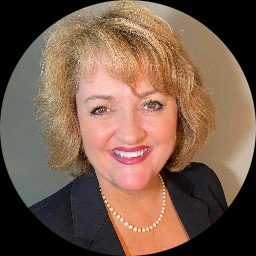
Dr. Sara Lewis-Stankus is a Licensed Professional Counselor (LPC) and a Licensed Mental Health Counselor (LMHC) with 26 years of clinical experience. She works with adults who feel stuck or unsure what comes next after changes in work, relationships, or health. Common concerns she addresses include stress, anxiety, relationships, self-esteem, and career questions.
Sara focuses on practical steps people can take to move forward. She helps clients notice repeating patterns, understand what keeps them stuck, and experiment with new ways of thinking and acting. Sessions typically involve talking through current problems, testing ideas between meetings, and adjusting strategies based on results.
Her approach draws on client-centered therapy, cognitive behavioral techniques, and elements from dialectical behavior work and the Gottman Method. Those methods are used to improve how people handle strong emotions, shift unhelpful thinking, and rebuild or repair communication where needed. Eye Movement Desensitization and Reprocessing (EMDR) is also part of her toolkit for people who have distress tied to past events.
Sara keeps language straightforward and the process collaborative. She helps people weigh options, make realistic plans, and practice new behaviors in everyday life. The aim is steady, manageable progress rather than quick fixes.
She practices in West Virginia and sees clients in English. International clients are accepted. To begin, people are invited to use the online matching and scheduling flow to choose a first session and complete a short intake questionnaire.
How her methods translate to online sessions
Client-centered therapy focuses on listening and reflecting back what the client says. It helps people feel heard and clarifies what matters to them. Cognitive Behavioral Therapy, or CBT, looks at how thoughts, feelings, and actions connect and teaches practical skills to change patterns that cause stress or anxiety.Choosing the right method is part of the work together. The therapist and client review goals and try approaches that fit the issue and the person's preferences. They check in regularly and adjust whether more emotion-focused or skills-based work is needed.
The therapist's biography does not list specific session formats, so confirm options before booking. Online sessions can make it easier to schedule meetings around work or caregiving, allow shorter check-ins when needed, and let clients join from different locations. That flexibility can help people practice new skills between meetings and keep momentum while fitting therapy into everyday life.
Areas of expertise
Primary focus
Additional focus areas
Therapeutic approaches
Experience
26+ years
Listed in
West Virginia, California, Florida
Languages
English
Frequently asked questions
What concerns does she address related to life direction?
She works with stress, anxiety, relationship struggles, self-esteem issues, and career questions, including coaching for next steps.
How would she approach feeling stuck or directionless?
She uses a collaborative, practical style that identifies repeating patterns, tests new behaviors, and refines strategies based on what works.
How much clinical experience does she bring?
She has 26 years of professional work experience as a counselor and mental health clinician.
What are her credentials and where does she practice?
She is an LPC and an LMHC and practices in West Virginia.
Can I work with her if I live outside the United States?
She accepts international clients and conducts sessions in English.
What session formats are offered?
The original biography does not list specific session formats; confirm current session options before booking.
How are fees and payment handled?
Cost varies with location and sessions use a subscription that can be canceled at any time.
How do I begin working with her?
Select the See online therapy options button, complete the short matching questionnaire, and schedule a first session.
Online talk therapy is not emergency care. If you are in danger, use the crisis numbers.