
Marsha Oxamendi
LCSWFlorida · 14 yrs exp
Florida LCSW - Life purpose and stress
Stress, Anxiety · Grief · Anger · Self esteem · +12 more
Read profileTherapist listings are provided by BetterHelp. We will earn a commission at no additional cost to you if you use our links to purchase.
If you are feeling isolated or lonely while trying to figure out what matters next, this page groups profiles that list isolation and related concerns alongside life purpose and meaning. You can compare listed focus areas, approaches, languages, credentials and listed location to find profiles that match your needs.
Browse the profiles below to learn how different clinicians describe their approach and experience, then use the article that follows for practical questions to guide your next steps.
Florida · 14 yrs exp
Florida LCSW - Life purpose and stress
Stress, Anxiety · Grief · Anger · Self esteem · +12 more
Read profile
Florida · 23 yrs exp
LICSW LCSW - Life purpose and intimacy
LGBT · Intimacy-related issues
Read profile
Minnesota · 14 yrs exp
LMFT - Relationships and Life Purpose
Stress, Anxiety · Relationship · Family · Trauma and abuse · +8 more
Read profile
District of Columbia · 20 yrs exp
Licensed Professional Counselor - Trauma and Coaching
Trauma and abuse · Self esteem · Bipolar · Depression · +1 more
Read profile
New York · 24 yrs exp
Licensed Clinical Social Worker - Life purpose, stress
Stress, Anxiety · Relationship · Anger · Self esteem · +12 more
Read profile
Kentucky · 28 yrs exp
Licensed counselor - life transitions and relationships
Stress, Anxiety · Relationship · Family · Grief · +5 more
Read profile
Arizona · 6 yrs exp
Licensed Professional Counselor - Life purpose and relationships
Stress, Anxiety · Relationship · Family · Self esteem · +11 more
Read profile
Oregon · 14 yrs exp
LPC in Oregon - Life purpose and coping concerns
Grief · Self esteem · Career · Depression · +8 more
Read profile
Oregon · 32 yrs exp
Licensed Marriage and Family Therapist - Life purpose, relationships
Stress, Anxiety · Relationship · Trauma and abuse · Grief · +9 more
Read profile
Texas · 12 yrs exp
LPC in Texas - Life purpose and mood concerns
Stress, Anxiety · Self esteem · Career · Depression · +9 more
Read profile
Oklahoma · 30 yrs exp
LPC - Life purpose and relationship focus
Stress, Anxiety · Grief · Intimacy-related issues · Depression · +8 more
Read profile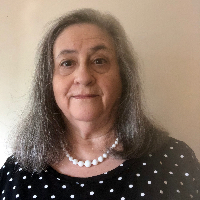
Mississippi · 23 yrs exp
LCSW - Life purpose and coping concerns
Stress, Anxiety · Grief · Anger · Self esteem · +8 more
Read profile
North Carolina · 13 yrs exp
LCSW focusing on life purpose and confidence
Stress, Anxiety · Relationship · Family · Self esteem · +13 more
Read profile
California · 14 yrs exp
Licensed Clinical Social Worker - Life purpose and adjustment
Stress, Anxiety · Trauma and abuse · Grief · Self esteem · +8 more
Read profile
Florida · 10 yrs exp
LCSW - Life purpose and relationship concerns
Stress, Anxiety · Addictions · Family · Grief · +8 more
Read profile
Michigan · 35 yrs exp
LMSW in Michigan - Life purpose and relationships
Stress, Anxiety · Addictions · Trauma and abuse · Self esteem · +3 more
Read profile
Kentucky · 11 yrs exp
Licensed Marriage and Family Therapist - relationships and life transitions
Stress, Anxiety · Relationship · Family · Self esteem · +9 more
Read profile
Louisiana · 14 yrs exp
Dr. Lawana Mabry - LCSW, Life purpose and coping
Stress, Anxiety · Anger · Self esteem · Depression · +9 more
Read profile
Mississippi · 12 yrs exp
LCSW - Life purpose and coping support
Stress, Anxiety · Addictions · Anger · Self esteem · +12 more
Read profile
Florida · 20 yrs exp
Florida LMHC - Life purpose and transitions
Stress, Anxiety · Relationship · Family · Self esteem · +9 more
Read profile
Virginia · 14 yrs exp
Licensed Professional Counselor - Trauma and Life Changes
Trauma and abuse · Grief · Coping with life changes · Compassion fatigue · +12 more
Read profile
Nebraska · 25 yrs exp
LMHP counselor - Life purpose and coping support
Stress, Anxiety · Family · Trauma and abuse · Parenting · +12 more
Read profile
New York · 24 yrs exp
LCSW - Life purpose and relationships
Stress, Anxiety · Addictions · Family · Parenting · +9 more
Read profile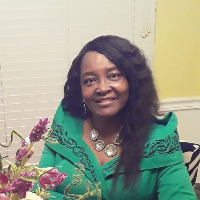
Florida · 20 yrs exp
LMHC in Florida - Stress and relationships
Stress, Anxiety · Addictions · Relationship · Self esteem · +1 more
Read profile
Illinois · 38 yrs exp
Licensed counselor - Life purpose and coping
Stress, Anxiety · Self esteem · Depression · Coping with life changes · +9 more
Read profile
New York · 15 yrs exp
LCSW - Life purpose and relationship work
Stress, Anxiety · Addictions · Relationship · Self esteem · +10 more
Read profile
Louisiana · 25 yrs exp
Licensed Clinical Social Worker - Stress and Anxiety
Stress, Anxiety · Family · Anger · Self esteem · +1 more
Read profile
Oregon · 17 yrs exp
LMFT - Stress and Trauma-focused care
Stress, Anxiety · Trauma and abuse · Grief · Intimacy-related issues · +1 more
Read profile
Texas · 5 yrs exp
Licensed clinical social worker - Life purpose and coping issues
Stress, Anxiety · Relationship · Family · Trauma and abuse · +9 more
Read profile
Louisiana · 15 yrs exp
Licensed counselor - Stress and trauma
Stress, Anxiety · Trauma and abuse · Grief · Self esteem · +1 more
Read profileYou may experience isolation as a low-grade emptiness, a sense that few people know what you are going through, or a sudden narrowing of your social world after a job change, breakup, health event or move. Loneliness is not simply being alone; it is the felt gap between the social connection you want and the contact you actually have. When you are also asking questions about meaning, direction or purpose, that gap can feel bigger because relationships and shared values often help shape what matters to you.
Feeling isolated can affect your motivation, clarity when making decisions and the energy you bring to exploring new directions. You might notice difficulty getting started on tasks that used to matter, hesitation to tell others what you are considering, or worry about being judged for changing course. Those responses are common and understandable. Therapy can provide a space to unpack how loneliness interacts with your values, decisions and low mood. If your low mood includes any thoughts of harming yourself, contact emergency services immediately or call a crisis line - in the United States dial 988, in the United Kingdom contact Samaritans at 116 123, and in Australia call Lifeline at 13 11 14.
The relationship between loneliness and questions about purpose is not fixed. For some people, a period of isolation prompts deep reflection about what they want from work, relationships or a life role. For others, feeling disconnected makes it harder to access the confidence and social feedback that support making purposeful choices. The directory groups profiles that list both concerns so you can find clinicians who report an interest in working at that intersection, but a listed topic does not establish causation or a particular clinical approach.
When you explore profiles, look at how a clinician frames their understanding of isolation and of life purpose. Some clinicians describe helping people clarify values first and then testing small steps that reflect those values. Others emphasize processing loneliness-related grief or repairing social skills after a long period without connection. Therapists who list particular approaches - for example, therapists who list cognitive behavioral therapy among their approaches or therapists who list narrative therapy among their approaches - may use those frameworks as tools to work on specific patterns, but the label alone does not indicate exact content. Use the descriptions in profiles to identify clinicians whose language about meaning and connection resonates with you.
When you are comparing profiles, prepare a few concrete questions that focus on how the clinician works rather than broad claims about outcomes. Ask whether they have experience supporting adults through life transitions, or whether they describe working with feelings of social disconnection and how they conceptualize that work. You can also ask what they mean by life purpose in their practice - whether they focus on values clarification, career transitions, existential exploration, or integration of relationships and identity. If a profile lists specific approaches, you might ask what role those approaches typically play in sessions and whether the clinician tailors methods to your goals.
Clarify practical matters reflected in profiles, such as languages spoken and the clinician's listed location if you prefer someone local or someone who understands your cultural context. Confirm what kinds of professional credentials are represented. Degrees such as PhD, PsyD, MD, MA and MSW indicate academic training, while professional permission to practice varies by country. In the United States clinicians often hold licenses such as LCSW, LPC or LMFT. In the United Kingdom and Australia you will see references to registration or membership with professional bodies. A degree alone does not establish current permission to practice, so you may want to ask about relevant licenses or registration explicitly and what they mean in the clinician's country.
If you are considering online talk therapy, clarify expectations early. Explain that online sessions are not career coaching or religious guidance, and ask how the clinician differentiates therapeutic work on meaning and purpose from coaching or pastoral support. You can inquire about the clinician's approach to pacing - whether they favour shorter, goal-focused conversations about social reconnection and decision-making, or a slower exploration of how loneliness and values have evolved over time.
Discuss practical safeguards that fit your situation. Ask how the clinician handles emergency situations when you are not local to their listed location, and whether they have a plan for crises. Confirm what platforms they use for communication and what you should know about scheduling, cancellations and what to do if a technical issue interrupts a session. If cultural, religious or identity factors are important to you, raise them and ask how the clinician addresses such themes in therapy. Being explicit about these topics helps you and the clinician determine whether the match is likely to support the kind of exploration you want.
When comparing profiles, read the descriptions as narratives about how each clinician frames the work. Look at which focus areas are listed in addition to isolation and life purpose - for example transitions, low mood, or relationship issues - because those additional areas indicate what the clinician often works with alongside loneliness. Pay attention to the approaches a clinician lists. Therapists who list acceptance and commitment therapy among their approaches may emphasise values and committed action, while therapists who list psychodynamic approaches may focus more on patterns in relationships. The presence of a modality in a profile is a starting point for conversation, not proof of specific training or outcomes.
Consider languages spoken and cultural competence statements in profiles if those factors matter to how you want to be understood. Check the listed location to know whether the clinician references familiarity with local systems or contexts that might matter for referrals or community resources. Review the credentials section to distinguish academic degrees from professional permission to practice. If you see a degree such as MSW or PhD, that describes educational background; if you see a licensing abbreviation or a statement about registration or membership, that describes a professional status in a particular country. Bringing specific comparison questions into an initial conversation will help you evaluate fit based on your needs rather than relying on labels alone.
Use the profiles below as a starting point to identify clinicians whose language and focus match your priorities. Make notes about the concrete questions described here so you can raise them when you contact a clinician. If at any point your feelings include urgent risk to yourself, call emergency services or a crisis line in your country rather than waiting to connect with a clinician. Otherwise, take your time comparing approaches, listed focus areas, languages and credentials to decide who to contact for a conversation about working together on isolation, loneliness and the search for meaning and direction.
Alabama
115 therapists
Alaska
12 therapists
Arizona
80 therapists
Arkansas
64 therapists
Australia
278 therapists
California
807 therapists
Colorado
157 therapists
Connecticut
79 therapists
Delaware
16 therapists
District of Columbia
21 therapists
Florida
710 therapists
Georgia
171 therapists
Hawaii
27 therapists
Idaho
44 therapists
Illinois
268 therapists
Indiana
105 therapists
Iowa
34 therapists
Kansas
48 therapists
Kentucky
105 therapists
Louisiana
126 therapists
Maine
26 therapists
Maryland
127 therapists
Massachusetts
85 therapists
Michigan
251 therapists
Minnesota
80 therapists
Mississippi
76 therapists
Missouri
142 therapists
Montana
38 therapists
Nebraska
36 therapists
Nevada
54 therapists
New Hampshire
15 therapists
New Jersey
157 therapists
New Mexico
27 therapists
New York
410 therapists
North Carolina
251 therapists
North Dakota
6 therapists
Ohio
181 therapists
Oklahoma
131 therapists
Oregon
54 therapists
Pennsylvania
244 therapists
Rhode Island
14 therapists
South Carolina
112 therapists
South Dakota
15 therapists
Tennessee
106 therapists
Texas
811 therapists
United Kingdom
1164 therapists
Utah
60 therapists
Vermont
16 therapists
Virginia
132 therapists
Washington
106 therapists
West Virginia
20 therapists
Wisconsin
92 therapists
Wyoming
23 therapists