
Marsha Oxamendi
LCSWFlorida · 14 yrs exp
Florida LCSW - Life purpose and stress
Stress, Anxiety · Grief · Anger · Self esteem · +12 more
Read profileTherapist listings are provided by BetterHelp. We will earn a commission at no additional cost to you if you use our links to purchase.
Visitors can compare profiles of clinicians who list Forgiveness alongside life purpose, direction and meaning to see how they describe their focus, approaches and background. Browse listed locations, focus areas, approaches, credentials and languages to identify profiles to review further.
Florida · 14 yrs exp
Florida LCSW - Life purpose and stress
Stress, Anxiety · Grief · Anger · Self esteem · +12 more
Read profile
Illinois · 19 yrs exp
Dr. Steven Hurley - Psychologist, Life purpose and mood concerns
Stress, Anxiety · LGBT · Relationship · Trauma and abuse · +9 more
Read profile
Florida · 23 yrs exp
LICSW LCSW - Life purpose and intimacy
LGBT · Intimacy-related issues
Read profile
Minnesota · 14 yrs exp
LMFT - Relationships and Life Purpose
Stress, Anxiety · Relationship · Family · Trauma and abuse · +8 more
Read profile
District of Columbia · 20 yrs exp
Licensed Professional Counselor - Trauma and Coaching
Trauma and abuse · Self esteem · Bipolar · Depression · +1 more
Read profile
New York · 24 yrs exp
Licensed Clinical Social Worker - Life purpose, stress
Stress, Anxiety · Relationship · Anger · Self esteem · +12 more
Read profile
Texas · 11 yrs exp
Licensed Professional Counselor - Mood and life purpose
Stress, Anxiety · Bipolar · Depression · Self esteem · +2 more
Read profile
Kentucky · 28 yrs exp
Licensed counselor - life transitions and relationships
Stress, Anxiety · Relationship · Family · Grief · +5 more
Read profile
Alaska · 26 yrs exp
LCSW - Stress and life purpose
Stress, Anxiety
Read profile
Arizona · 6 yrs exp
Licensed Professional Counselor - Life purpose and relationships
Stress, Anxiety · Relationship · Family · Self esteem · +11 more
Read profile
Texas · 22 yrs exp
LPC for adults - life purpose and transitions
Stress, Anxiety · Grief · Career · Depression · +9 more
Read profile
Oregon · 14 yrs exp
LPC in Oregon - Life purpose and coping concerns
Grief · Self esteem · Career · Depression · +8 more
Read profile
Oregon · 32 yrs exp
Licensed Marriage and Family Therapist - Life purpose, relationships
Stress, Anxiety · Relationship · Trauma and abuse · Grief · +9 more
Read profile
Oklahoma · 30 yrs exp
LPC - Life purpose and relationship focus
Stress, Anxiety · Grief · Intimacy-related issues · Depression · +8 more
Read profile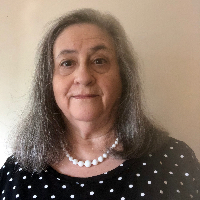
Mississippi · 23 yrs exp
LCSW - Life purpose and coping concerns
Stress, Anxiety · Grief · Anger · Self esteem · +8 more
Read profile
North Carolina · 13 yrs exp
LCSW focusing on life purpose and confidence
Stress, Anxiety · Relationship · Family · Self esteem · +13 more
Read profile
California · 14 yrs exp
Licensed Clinical Social Worker - Life purpose and adjustment
Stress, Anxiety · Trauma and abuse · Grief · Self esteem · +8 more
Read profile
South Carolina · 10 yrs exp
LISW-CP - Stress and relationship concerns
Stress, Anxiety · Relationship · Family · Trauma and abuse · +1 more
Read profile
Florida · 10 yrs exp
LCSW - Life purpose and relationship concerns
Stress, Anxiety · Addictions · Family · Grief · +8 more
Read profile
Michigan · 35 yrs exp
LMSW in Michigan - Life purpose and relationships
Stress, Anxiety · Addictions · Trauma and abuse · Self esteem · +3 more
Read profile
North Carolina · 20 yrs exp
Licensed Professional Counselor - Life purpose and relationships
Stress, Anxiety · Relationship · Family · Self esteem · +9 more
Read profile
Indiana · 11 yrs exp
LCSW - Life purpose and relationship focus
Stress, Anxiety · Grief · Depression · Coping with life changes · +8 more
Read profile
Pennsylvania · 9 yrs exp
Licensed Professional Counselor - Life purpose and transitions
Stress, Anxiety · Grief · Parenting · Self esteem · +11 more
Read profile
Mississippi · 9 yrs exp
Licensed Professional Counselor - Stress and Life Purpose
Stress, Anxiety · Trauma and abuse · Parenting · Anger · +13 more
Read profile
Louisiana · 14 yrs exp
Dr. Lawana Mabry - LCSW, Life purpose and coping
Stress, Anxiety · Anger · Self esteem · Depression · +9 more
Read profile
Mississippi · 12 yrs exp
LCSW - Life purpose and coping support
Stress, Anxiety · Addictions · Anger · Self esteem · +12 more
Read profile
Florida · 20 yrs exp
Florida LMHC - Life purpose and transitions
Stress, Anxiety · Relationship · Family · Self esteem · +9 more
Read profile
Virginia · 14 yrs exp
Licensed Professional Counselor - Trauma and Life Changes
Trauma and abuse · Grief · Coping with life changes · Compassion fatigue · +12 more
Read profile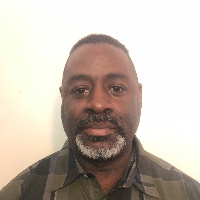
Texas · 6 yrs exp
Licensed Professional Counselor - Trauma and Life purpose
Stress, Anxiety · Trauma and abuse · Depression · Grief · +4 more
Read profile
Nebraska · 25 yrs exp
LMHP counselor - Life purpose and coping support
Stress, Anxiety · Family · Trauma and abuse · Parenting · +12 more
Read profileWhen you feel stuck by regret, resentment or a sense that past events are steering your choices, forgiveness can become a practical focus in therapy. That focus is not a one-size-fits-all prescription. For some people it means untangling complex feelings about a relationship that ended, for others it is about coming to terms with choices you made, and for others it is part of recovering from a workplace breach or a health-related change. You are likely looking to restore agency in decisions about work, relationships or meaning, and forgiveness may be one element in that process.
It is normal to want clarity about values and direction while also feeling pressure to have everything figured out. Therapy that lists Forgiveness among its focuses often addresses values and motivation alongside emotions such as sadness, anger or shame. If your low mood includes thoughts of self-harm, contact local emergency services or a national crisis line immediately. Online talk therapy is not career coaching or religious guidance; if those are the services you need, discuss them openly with a clinician and confirm whether they match the clinician's scope.
Forgiveness and questions of life purpose can intersect without one automatically causing the other. You might pursue forgiveness because unresolved grievances are clouding your ability to commit to new goals. Conversely, engaging with questions of meaning can bring unresolved relational issues into focus. The directory groups profiles where both topics appear so you can identify clinicians who describe an interest in working across those themes.
Expect conversation about choices and values to be part of this work. A clinician may invite you to name what matters to you now, examine how past events influence your sense of obligation, or explore what motivation looks like after loss or change. Those are options to discuss rather than promises of a particular outcome. The presence of Forgiveness on a profile signals a listed interest; it does not guarantee a specific method or a particular result for your situation. It is helpful to think of forgiveness as one strand in broader work on identity, decision-making and emotional regulation.
When you review profiles, you will want specific, practical questions to guide conversations. Ask how a clinician typically frames forgiveness in their practice. Ask whether they tend to explore forgiveness as an interpersonal process - repairing or redefining relationships - or as an internal process focused on your goals and values. Ask what clinical approaches they list and request examples of how those approaches might look in sessions. For example, you could ask whether cognitive-behavioral techniques, narrative work, acceptance-based strategies or trauma-informed perspectives are commonly used and how they may be adapted to address forgiveness-related themes.
Clarify the clinician's experience with situations similar to yours. Ask about work with adults facing career transition, relationship breakdown, health changes or identity shifts. If demographic or cultural understanding matters to you, ask about experience with people from similar backgrounds or life stages. When qualifications appear on a profile, distinguish degrees from permission to practise; a degree such as PhD, PsyD, MD, MA or MSW indicates education, while a US state license such as LCSW, LPC, LMFT or a psychologist license indicates legal permission to practise in that jurisdiction. In the UK, look for HCPC registration or professional membership with bodies such as BACP or UKCP, and in Australia check for AHPRA registration or membership with APS. A degree alone does not establish current permission to practise, and these details are worth discussing directly.
If you plan to work online, there are practical topics to cover before you begin. Confirm the clinician's listed location and ask how they handle cross-jurisdictional practice if you live in a different state or country. Discuss appointment logistics, the technology you will use, and what to do if a session is interrupted. Ask about record-keeping and the clinician's privacy measures so you know how notes and communications are stored. You should also agree on boundaries - how sessions will be scheduled, typical session length, and how follow-up between conversations is handled.
Talk about goals for forgiveness-related work and how progress will be reviewed. Some people want to focus on decision-making and values clarification, others on processing emotion or rebuilding trust where possible. Make sure the clinician describes what they see as the scope of their practice and whether particular relationship or family work is included. Remember that a listed topic does not establish that a clinician treats children, couples, or families; discuss your needs and the clinician's actual scope directly. If your situation includes safety concerns, create an emergency plan together and be clear about who to contact in a crisis.
Profiles offer multiple pieces of information you can use to compare clinicians. Focus areas indicate what a clinician lists as topics they engage with, such as Forgiveness or life purpose. Approaches and methods listed on profiles are prompts for conversation rather than guarantees of specific training. Consider whether a clinician lists methods you prefer to discuss, for example cognitive-behavioral interventions, psychodynamic exploration, narrative approaches, acceptance-based work, or trauma-informed perspectives. You can ask how often those approaches are used and how they would be applied to your concerns.
Language and cultural competence are practical considerations. If working in a particular language matters, look for that listing on a profile and ask about the clinician's experience working with speakers of that language and with cultural contexts similar to yours. Credentials can be compared by distinguishing academic degrees from professional permission to practise. If regional registration or membership is relevant to you, look for mention of US state licenses, UK registration or professional memberships, and Australian registration. Finally, consider therapeutic style: some clinicians describe a direct, problem-focused approach while others emphasize reflective, exploratory conversation. Profiles often include brief language about style; use that as a starting point for questions about how sessions typically unfold.
Using these comparison points will help you identify profiles worth contacting and prepare focused questions for initial conversations. The directory groups clinicians who list Forgiveness and related themes so you can find professionals who describe an interest in the intersection of resentment, values and meaning. Reviewing profiles, asking concrete questions about approach and experience, and clarifying practical issues for online care will help you make an informed choice about who to speak with next. If your mood includes active thoughts of harming yourself, contact local emergency services or a national crisis line right away.
Alabama
115 therapists
Alaska
12 therapists
Arizona
80 therapists
Arkansas
64 therapists
Australia
278 therapists
California
807 therapists
Colorado
157 therapists
Connecticut
79 therapists
Delaware
16 therapists
District of Columbia
21 therapists
Florida
710 therapists
Georgia
171 therapists
Hawaii
27 therapists
Idaho
44 therapists
Illinois
268 therapists
Indiana
105 therapists
Iowa
34 therapists
Kansas
48 therapists
Kentucky
105 therapists
Louisiana
126 therapists
Maine
26 therapists
Maryland
127 therapists
Massachusetts
85 therapists
Michigan
251 therapists
Minnesota
80 therapists
Mississippi
76 therapists
Missouri
142 therapists
Montana
38 therapists
Nebraska
36 therapists
Nevada
54 therapists
New Hampshire
15 therapists
New Jersey
157 therapists
New Mexico
27 therapists
New York
410 therapists
North Carolina
251 therapists
North Dakota
6 therapists
Ohio
181 therapists
Oklahoma
131 therapists
Oregon
54 therapists
Pennsylvania
244 therapists
Rhode Island
14 therapists
South Carolina
112 therapists
South Dakota
15 therapists
Tennessee
106 therapists
Texas
811 therapists
United Kingdom
1164 therapists
Utah
60 therapists
Vermont
16 therapists
Virginia
132 therapists
Washington
106 therapists
West Virginia
20 therapists
Wisconsin
92 therapists
Wyoming
23 therapists