
Marsha Oxamendi
LCSWFlorida · 14 yrs exp
Florida LCSW - Life purpose and stress
Stress, Anxiety · Grief · Anger · Self esteem · +12 more
Read profileTherapist listings are provided by BetterHelp. We will earn a commission at no additional cost to you if you use our links to purchase.
You can compare profiles of clinicians who list Aging and Geriatric Issues alongside life purpose, direction and meaning. Use listed focus areas, approaches, credentials, languages and listed location to find profiles that match what matters to you.
Browse the profiles below to read how each professional describes their emphasis and background, then use the article below to decide what to ask next.
Florida · 14 yrs exp
Florida LCSW - Life purpose and stress
Stress, Anxiety · Grief · Anger · Self esteem · +12 more
Read profile
Florida · 23 yrs exp
LICSW LCSW - Life purpose and intimacy
LGBT · Intimacy-related issues
Read profile
Texas · 22 yrs exp
LPC for adults - life purpose and transitions
Stress, Anxiety · Grief · Career · Depression · +9 more
Read profile
Oklahoma · 30 yrs exp
LPC - Life purpose and relationship focus
Stress, Anxiety · Grief · Intimacy-related issues · Depression · +8 more
Read profile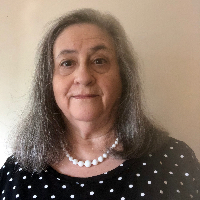
Mississippi · 23 yrs exp
LCSW - Life purpose and coping concerns
Stress, Anxiety · Grief · Anger · Self esteem · +8 more
Read profile
California · 14 yrs exp
Licensed Clinical Social Worker - Life purpose and adjustment
Stress, Anxiety · Trauma and abuse · Grief · Self esteem · +8 more
Read profile
Florida · 10 yrs exp
LCSW - Life purpose and relationship concerns
Stress, Anxiety · Addictions · Family · Grief · +8 more
Read profile
South Carolina · 36 yrs exp
LISW-CP counselor - Life purpose and mood concerns
Stress, Anxiety · Addictions · Family · Trauma and abuse · +3 more
Read profile
Michigan · 35 yrs exp
LMSW in Michigan - Life purpose and relationships
Stress, Anxiety · Addictions · Trauma and abuse · Self esteem · +3 more
Read profile
Pennsylvania · 9 yrs exp
Licensed Professional Counselor - Life purpose and transitions
Stress, Anxiety · Grief · Parenting · Self esteem · +11 more
Read profile
Florida · 20 yrs exp
Florida LMHC - Life purpose and transitions
Stress, Anxiety · Relationship · Family · Self esteem · +9 more
Read profile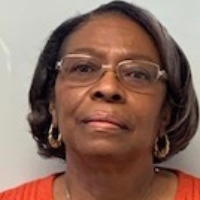
Alabama · 20 yrs exp
Licensed Professional Counselor - Life purpose and transitions
Stress, Anxiety · Relationship · Grief · Depression · +9 more
Read profile
New York · 15 yrs exp
LCSW - Life purpose and relationship work
Stress, Anxiety · Addictions · Relationship · Self esteem · +10 more
Read profile
Wyoming · 14 yrs exp
LCSW - Life purpose and change work
Addictions · Relationship · Depression · Coping with life changes · +11 more
Read profile
North Carolina · 30 yrs exp
LCMHC in North Carolina - Life purpose and transitions
Stress, Anxiety · Addictions · LGBT · Trauma and abuse · +1 more
Read profile
Texas · 26 yrs exp
Licensed Professional Counselor - Life purpose and transitions
Stress, Anxiety · Relationship · Trauma and abuse · Grief · +11 more
Read profile
Florida · 20 yrs exp
Florida LMHC - Stress and Life Direction
Stress, Anxiety · Relationship · Grief · Self esteem · +1 more
Read profile
Michigan · 26 yrs exp
LMSW in Michigan - Life purpose and relationships
Stress, Anxiety · Addictions · Relationship · Grief · +14 more
Read profile
North Carolina · 27 yrs exp
Licensed counselor - Life purpose and transitions
Stress, Anxiety · Self esteem · Coping with life changes · Relationship · +7 more
Read profile
Virginia · 20 yrs exp
VA Psychologist - Trauma and Stress
Read profile
Pennsylvania · 28 yrs exp
LMHC LPC - Life purpose and mood concerns
Stress, Anxiety · Addictions · Grief · Self esteem · +1 more
Read profile
Wisconsin · 20 yrs exp
Licensed Professional Counselor - Life purpose and stress
Stress, Anxiety · Self esteem · Career · Depression · +2 more
Read profile
Missouri · 8 yrs exp
Licensed Counselor - Stress and Addictions
Stress, Anxiety · Addictions · LGBT · Trauma and abuse · +15 more
Read profile
Arkansas · 3 yrs exp
Licensed Professional Counselor - Life purpose and transitions
Stress, Anxiety · Grief · Self esteem · Depression · +9 more
Read profile
New Jersey · 26 yrs exp
LMHC LPC - Life purpose and relationships
Stress, Anxiety · Relationship · Family · Self esteem · +1 more
Read profile
Arkansas · 18 yrs exp
Licensed Professional Counselor - Life purpose and coping
Stress, Anxiety · Family · Trauma and abuse · Depression · +15 more
Read profile
North Carolina · 24 yrs exp
LCSW focused on life direction and trauma
Stress, Anxiety · Relationship · Family · Trauma and abuse · +14 more
Read profile
Florida · 25 yrs exp
Licensed LMHC - Relationships and Life Purpose
Stress, Anxiety · Relationship · Intimacy-related issues · Depression
Read profile
Arizona · 36 yrs exp
Arizona Psychologist - Relationships and Life Purpose
Stress, Anxiety · Relationship · Grief · Anger · +7 more
Read profile
Iowa · 31 yrs exp
Licensed social worker - Life purpose and addictions
Addictions · LGBT · Trauma and abuse · Anger · +3 more
Read profileTransitioning into later life brings questions that can feel different from those you faced earlier. Retirement or reduced work hours, shifting social roles, changes in health, grief for losses and the time you have ahead can all influence your sense of purpose. When you are feeling stuck or unsure what matters, these practical and emotional shifts can make decision-making harder and low mood more likely. You may worry about meaning, struggle to prioritise values, or feel pressure to appear like you have everything figured out.
Therapy focused on aging and geriatric issues often addresses these themes alongside routine emotional and mental health concerns. On this directory page you will find profiles of professionals who list Aging and Geriatric Issues as a focus area while also mentioning life purpose, direction and meaning. That does not mean one automatically causes the other; it only reflects that many clinicians describe both topics as part of their work. Reading several profiles may help you spot patterns in how therapists talk about later-life transitions and the kinds of questions they tend to explore with clients.
When you consider purpose and direction in later life, practical constraints often shape what options feel possible. Health limitations may mean you need to rethink activities that once gave you meaning. Family responsibilities or caregiving can change daily rhythms. Financial changes can alter time and risk tolerance. All these realities affect motivation and the practical choices that make a renewed sense of direction more or less feasible.
Therapists who work with aging issues typically combine attention to emotion with attention to life tasks and planning. In profiles you may see references to supporting adjustment to role changes, navigating grief, addressing anxiety about the future, or helping people set meaningful goals within new limits. These are different emphases rather than guaranteed offerings. When you read profiles, look for language that aligns with your current priorities - whether that is exploring values, managing mood, making decisions about work or relationships, or coping with loss - and remember that the presence of a listed topic does not establish the scope of practice beyond what the clinician describes.
Before you reach out to a clinician whose profile interests you, prepare concrete questions that go beyond general terms. Ask how they typically work with people who are reconsidering purpose in later life and what kinds of issues they address first. You can ask whether they have experience supporting people with similar practical constraints, such as chronic health conditions, caregiving responsibilities or retirement decisions. If you want to explore specific therapeutic styles, you can mention those by name and ask whether the therapist uses those approaches, keeping in mind that a profile may simply list an approach rather than document specialised training.
Clarify credentials by separating academic degrees from permission to practise. If you see degrees listed - for example PhD, PsyD, MD, MA or MSW - remember that degrees indicate academic qualifications and are not the same as professional licensing or registration. In the United States, clinicians typically hold state licences; in the United Kingdom they may list registration with, or membership of, a professional body; in Australia they may refer to registration or membership as well. You can ask a clinician to describe the professional authorisation that applies to their listed location and whether that authorisation covers the specific services you are seeking. Also discuss the populations they work with, because a listed topic does not guarantee work with couples, families or young adults unless the profile specifies it.
If you are considering online or remote sessions, there are practical topics to cover so you know what to expect. Talk about how the therapist manages technology and what platforms or communication methods they prefer. Ask how they handle time zone differences and which listed location governs any professional obligations, since clinicians on this directory practise from the United States, the United Kingdom, Australia and other places. Discuss how they define the scope of their work - for instance whether they focus on emotional adjustment, decision-making support, grief processing, or practical planning - and how they coordinate with other professionals when medical or social services involvement is helpful.
It is important to raise safety and crisis planning. If you are experiencing low mood that includes thoughts of self-harm or other urgent safety concerns, contact your local emergency services immediately. If you are in the United States you can call or text 988, in the United Kingdom call 999 or use local crisis lines, and in Australia call 000 or your national crisis line. Ask a prospective clinician how they handle urgent issues between sessions and what local resources they can recommend in your listed location. You should also discuss privacy of communication, record-keeping and how to handle cancellations or changes in circumstances.
When you compare profiles, read beyond a single sentence and consider several dimensions together. Look at the focus areas the clinician lists and how they describe them in context. Some profiles emphasise values exploration and meaning-making, while others foreground practical planning or managing low mood. Compare the approaches named in profiles - for example cognitive, emotion-focused or narrative-oriented approaches - as topics to discuss rather than proofs of training. Profiles may mention specialties such as bereavement, caregiving or chronic illness support; these references can help you decide who might understand your particular life stage.
Language and cultural fit can be important when you discuss sensitive topics like purpose and aging. Check what languages are listed on profiles and whether a therapist mentions experience with cultural or generational issues that feel relevant to you. Compare credentials carefully by noting degrees and then asking about professional licensing, registration or membership that is current for the clinician's listed location. Finally, pay attention to the tone of each profile - whether it feels directive, collaborative, practical or exploratory - and think about which style will help you engage and sustain the work you want to do. After you narrow your options, use the concrete questions suggested above to start a conversation that clarifies scope, approach and expectations without assuming outcomes.
Alabama
115 therapists
Alaska
12 therapists
Arizona
80 therapists
Arkansas
64 therapists
Australia
278 therapists
California
807 therapists
Colorado
157 therapists
Connecticut
79 therapists
Delaware
16 therapists
District of Columbia
21 therapists
Florida
710 therapists
Georgia
171 therapists
Hawaii
27 therapists
Idaho
44 therapists
Illinois
268 therapists
Indiana
105 therapists
Iowa
34 therapists
Kansas
48 therapists
Kentucky
105 therapists
Louisiana
126 therapists
Maine
26 therapists
Maryland
127 therapists
Massachusetts
85 therapists
Michigan
251 therapists
Minnesota
80 therapists
Mississippi
76 therapists
Missouri
142 therapists
Montana
38 therapists
Nebraska
36 therapists
Nevada
54 therapists
New Hampshire
15 therapists
New Jersey
157 therapists
New Mexico
27 therapists
New York
410 therapists
North Carolina
251 therapists
North Dakota
6 therapists
Ohio
181 therapists
Oklahoma
131 therapists
Oregon
54 therapists
Pennsylvania
244 therapists
Rhode Island
14 therapists
South Carolina
112 therapists
South Dakota
15 therapists
Tennessee
106 therapists
Texas
811 therapists
United Kingdom
1164 therapists
Utah
60 therapists
Vermont
16 therapists
Virginia
132 therapists
Washington
106 therapists
West Virginia
20 therapists
Wisconsin
92 therapists
Wyoming
23 therapists