
Marsha Oxamendi
LCSWFlorida · 14 yrs exp
Florida LCSW - Life purpose and stress
Stress, Anxiety · Grief · Anger · Self esteem · +12 more
Read profileTherapist listings are provided by BetterHelp. We will earn a commission at no additional cost to you if you use our links to purchase.
Use this page to compare therapists who list Attachment Issues alongside life purpose, direction and meaning. Browse profiles to review focus areas, approaches, listed location, languages and credentials, and contact anyone to ask questions.
Florida · 14 yrs exp
Florida LCSW - Life purpose and stress
Stress, Anxiety · Grief · Anger · Self esteem · +12 more
Read profile
Minnesota · 14 yrs exp
LMFT - Relationships and Life Purpose
Stress, Anxiety · Relationship · Family · Trauma and abuse · +8 more
Read profile
Oregon · 32 yrs exp
Licensed Marriage and Family Therapist - Life purpose, relationships
Stress, Anxiety · Relationship · Trauma and abuse · Grief · +9 more
Read profile
Oklahoma · 30 yrs exp
LPC - Life purpose and relationship focus
Stress, Anxiety · Grief · Intimacy-related issues · Depression · +8 more
Read profile
North Carolina · 13 yrs exp
LCSW focusing on life purpose and confidence
Stress, Anxiety · Relationship · Family · Self esteem · +13 more
Read profile
California · 14 yrs exp
Licensed Clinical Social Worker - Life purpose and adjustment
Stress, Anxiety · Trauma and abuse · Grief · Self esteem · +8 more
Read profile
Florida · 10 yrs exp
LCSW - Life purpose and relationship concerns
Stress, Anxiety · Addictions · Family · Grief · +8 more
Read profile
Michigan · 35 yrs exp
LMSW in Michigan - Life purpose and relationships
Stress, Anxiety · Addictions · Trauma and abuse · Self esteem · +3 more
Read profile
Kentucky · 11 yrs exp
Licensed Marriage and Family Therapist - relationships and life transitions
Stress, Anxiety · Relationship · Family · Self esteem · +9 more
Read profile
Pennsylvania · 9 yrs exp
Licensed Professional Counselor - Life purpose and transitions
Stress, Anxiety · Grief · Parenting · Self esteem · +11 more
Read profile
Mississippi · 9 yrs exp
Licensed Professional Counselor - Stress and Life Purpose
Stress, Anxiety · Trauma and abuse · Parenting · Anger · +13 more
Read profile
Louisiana · 14 yrs exp
Dr. Lawana Mabry - LCSW, Life purpose and coping
Stress, Anxiety · Anger · Self esteem · Depression · +9 more
Read profile
Florida · 20 yrs exp
Florida LMHC - Life purpose and transitions
Stress, Anxiety · Relationship · Family · Self esteem · +9 more
Read profile
Virginia · 14 yrs exp
Licensed Professional Counselor - Trauma and Life Changes
Trauma and abuse · Grief · Coping with life changes · Compassion fatigue · +12 more
Read profile
New York · 24 yrs exp
LCSW - Life purpose and relationships
Stress, Anxiety · Addictions · Family · Parenting · +9 more
Read profile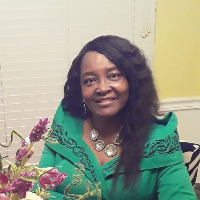
Florida · 20 yrs exp
LMHC in Florida - Stress and relationships
Stress, Anxiety · Addictions · Relationship · Self esteem · +1 more
Read profile
Michigan · 16 yrs exp
Licensed Professional Counselor - Relationships and Addictions
Stress, Anxiety · Addictions · Relationship · Parenting · +8 more
Read profile
New York · 15 yrs exp
LCSW - Life purpose and relationship work
Stress, Anxiety · Addictions · Relationship · Self esteem · +10 more
Read profile
Oregon · 17 yrs exp
LMFT - Stress and Trauma-focused care
Stress, Anxiety · Trauma and abuse · Grief · Intimacy-related issues · +1 more
Read profile
Florida · 11 yrs exp
LMHC in Florida - Stress and relationships
Stress, Anxiety · Relationship · Parenting · Self esteem · +11 more
Read profile
Texas · 26 yrs exp
Licensed Professional Counselor - Life purpose and transitions
Stress, Anxiety · Relationship · Trauma and abuse · Grief · +11 more
Read profile
Florida · 20 yrs exp
Florida LMHC - Stress and Life Direction
Stress, Anxiety · Relationship · Grief · Self esteem · +1 more
Read profile
Georgia · 3 yrs exp
Licensed Professional Counselor - Stress and Life Changes
Stress, Anxiety · Self esteem · Career · Depression · +1 more
Read profile
Nevada · 25 yrs exp
LMFT - Relationships and Family Focus
Stress, Anxiety · Relationship · Family · Trauma and abuse · +1 more
Read profile
Pennsylvania · 15 yrs exp
Licensed Professional Counselor - Life purpose and transitions
Stress, Anxiety · Relationship · Self esteem · Depression · +14 more
Read profile
Texas · 19 yrs exp
Licensed Professional Counselor - Life purpose and relationships
Stress, Anxiety · Relationship · Family · Trauma and abuse · +12 more
Read profile
Illinois · 39 yrs exp
LCSW - Stress and Life Purpose Concerns
Stress, Anxiety · Relationship · Grief · Sleeping · +1 more
Read profile
Alabama · 14 yrs exp
Licensed Professional Counselor - Relationships and Life Purpose
Relationship · Trauma and abuse · Coping with life changes · Coaching · +12 more
Read profile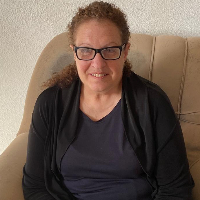
New Jersey · 25 yrs exp
LPC counselor - life purpose and coping support
Stress, Anxiety · Trauma and abuse · Grief · Career · +9 more
Read profile
Pennsylvania · 28 yrs exp
LMHC LPC - Life purpose and mood concerns
Stress, Anxiety · Addictions · Grief · Self esteem · +1 more
Read profileIf you are looking at therapists who list Attachment Issues you may be noticing patterns in relationships, recurring feelings of disconnection or a sense that past experiences influence your present choices. People often come to this topic when a breakup, a job change, a shift in health or a new life stage leaves them wondering what matters next. You might be struggling with motivation, finding it hard to make decisions that fit your values, or feeling pressure to have a clear path when things feel uncertain. Low mood, anxiety around intimacy, difficulty trusting others or repeated conflicts with important people can also lead you to explore attachment-related work.
When you read profiles, you may see therapists who mention attachment work alongside areas like life purpose, direction and meaning. That does not mean one automatically causes the other, but it does reflect how questions about relationships and how you relate to yourself can appear together with questions about purpose. As you consider profiles, think about how emotional patterns show up in the day-to-day choices you want to make, and which concerns you want to address first.
Attachment patterns shape how you seek connection and make commitments, and those patterns can influence how you experience career transitions, relationship changes and major life decisions. You might find that wanting to please others, avoiding perceived rejection, or staying in familiar but limiting situations affects your ability to explore new directions. Conversely, a shift in work or relationship status can bring attachment-related feelings into focus, prompting questions about what you truly want and what matters to you personally.
While life purpose and attachment are separate topics, they commonly intersect in ways that matter for the work you do with a therapist. Some therapists highlight both concerns because they help people look at how attachment history shapes beliefs about worthiness, risk, and commitment. Others will frame the conversation around decision-making, values and motivation. On profile pages you may see a range of approaches listed; these are areas a clinician has noted among their methods, and you can use that language as a starting point for conversations about fit.
When comparing profiles, prepare concrete questions you can ask to understand how a clinician might work with attachment-related concerns and life direction. You could ask whether the therapist commonly works with adults experiencing relationship patterns that affect decision-making, or whether they have experience supporting people after major life changes. Ask about the kinds of approaches the clinician lists and what those approaches mean in practice. For example, you might say I see you list narrative approaches, psychodynamic work or mindfulness; can you describe how you use those ideas when someone is exploring values and relationship patterns? Remember to refer to approaches as items on a profile rather than proof of specific training.
Clarify the clinician's professional standing by asking about degrees and regulatory status. You can ask what academic degrees they hold - for example PhD, PsyD, MD, MA or MSW - and then ask about current permission to practice where they work. In the United States that often means asking about state licensure; in the United Kingdom or Australia it may mean asking whether they hold registration, membership of a professional body, or other local credentials. A degree is not the same as a license or registration, so look for both types of information on a profile and ask directly if you need more detail. Also confirm whether the clinician commonly works with individuals, and whether they work with couples or families when that is relevant to your needs, since a listed topic does not establish scope across client types.
If you plan to contact someone through the directory to ask questions about online care, there are practical topics to cover so you know what to expect. Ask about the general structure of their work with attachment-related issues and how they approach discussions about values and meaning. You can ask whether they have a typical way to begin sessions, how they approach goal-setting, and what kinds of techniques or focus areas they might draw on when attachment patterns come up. Ask how they handle records and what limits to privacy or mandatory reporting you should be aware of in your jurisdiction.
It is important to talk about safety too. If low mood includes thoughts of self-harm, call local emergency services or your national crisis line right away - for example 988 in the United States, Samaritans in the United Kingdom, or Lifeline in Australia - and let potential clinicians know about those experiences when you reach out. Ask a clinician how they manage crisis situations, what their boundaries are around communication between sessions, and what local emergency procedures apply given their listed location and your own. These are practical questions that help you decide whether a particular profile matches the kind of support you want.
Profiles offer a snapshot of a clinician's stated focuses and ways of working. When you compare profiles, pay attention to the specific language used: some clinicians will list Attachment Issues and life purpose together, others will present them as separate focuses. Look for descriptions that mention the kinds of situations they commonly work with, and use that wording to form follow-up questions. Check the listed languages to make sure you can communicate comfortably. A listed location helps you understand regional context, and profiles may mention whether clinicians practice under a state license, a UK registration or an Australian professional membership. Remember that degrees such as PhD, PsyD, MD, MA and MSW describe academic qualifications and should be considered alongside current licensing, registration or membership.
Style matters as much as credentials. Some clinicians describe their work as exploratory and reflective, others as skills-oriented and practical. You can compare profiles to see whether a clinician emphasizes relationship patterns, decision-making, values clarification or symptom management. When a profile shows approaches such as CBT, psychodynamic therapy, somatic work or EMDR, treat those as conversation starters: ask how those ideas are applied rather than assuming every listed approach is used in every session. Ultimately the profiles are tools to help you identify clinicians whose focus areas, language and stated style align with what you want to explore around attachment and life direction. Contacting a few profiles to ask specific questions will give you clearer information to guide your next step.
Alabama
115 therapists
Alaska
12 therapists
Arizona
80 therapists
Arkansas
64 therapists
Australia
278 therapists
California
807 therapists
Colorado
157 therapists
Connecticut
79 therapists
Delaware
16 therapists
District of Columbia
21 therapists
Florida
710 therapists
Georgia
171 therapists
Hawaii
27 therapists
Idaho
44 therapists
Illinois
268 therapists
Indiana
105 therapists
Iowa
34 therapists
Kansas
48 therapists
Kentucky
105 therapists
Louisiana
126 therapists
Maine
26 therapists
Maryland
127 therapists
Massachusetts
85 therapists
Michigan
251 therapists
Minnesota
80 therapists
Mississippi
76 therapists
Missouri
142 therapists
Montana
38 therapists
Nebraska
36 therapists
Nevada
54 therapists
New Hampshire
15 therapists
New Jersey
157 therapists
New Mexico
27 therapists
New York
410 therapists
North Carolina
251 therapists
North Dakota
6 therapists
Ohio
181 therapists
Oklahoma
131 therapists
Oregon
54 therapists
Pennsylvania
244 therapists
Rhode Island
14 therapists
South Carolina
112 therapists
South Dakota
15 therapists
Tennessee
106 therapists
Texas
811 therapists
United Kingdom
1164 therapists
Utah
60 therapists
Vermont
16 therapists
Virginia
132 therapists
Washington
106 therapists
West Virginia
20 therapists
Wisconsin
92 therapists
Wyoming
23 therapists