
Marsha Oxamendi
LCSWFlorida · 14 yrs exp
Florida LCSW - Life purpose and stress
Stress, Anxiety · Grief · Anger · Self esteem · +12 more
Read profileTherapist listings are provided by BetterHelp. We will earn a commission at no additional cost to you if you use our links to purchase.
Use this page to compare therapists who list Divorce and life purpose among their focus areas. Profiles include listed location, approaches, academic degrees, credentials and languages so you can weigh the details that matter to you. Browse the profiles below to learn more about each clinician's focus and experience.
Florida · 14 yrs exp
Florida LCSW - Life purpose and stress
Stress, Anxiety · Grief · Anger · Self esteem · +12 more
Read profile
Illinois · 19 yrs exp
Dr. Steven Hurley - Psychologist, Life purpose and mood concerns
Stress, Anxiety · LGBT · Relationship · Trauma and abuse · +9 more
Read profile
Minnesota · 14 yrs exp
LMFT - Relationships and Life Purpose
Stress, Anxiety · Relationship · Family · Trauma and abuse · +8 more
Read profile
District of Columbia · 20 yrs exp
Licensed Professional Counselor - Trauma and Coaching
Trauma and abuse · Self esteem · Bipolar · Depression · +1 more
Read profile
New York · 24 yrs exp
Licensed Clinical Social Worker - Life purpose, stress
Stress, Anxiety · Relationship · Anger · Self esteem · +12 more
Read profile
Ohio · 3 yrs exp
Ohio LPCC - Life purpose and mood concerns
Addictions · Family · Anger · Depression · +6 more
Read profile
Arizona · 6 yrs exp
Licensed Professional Counselor - Life purpose and relationships
Stress, Anxiety · Relationship · Family · Self esteem · +11 more
Read profile
Oregon · 14 yrs exp
LPC in Oregon - Life purpose and coping concerns
Grief · Self esteem · Career · Depression · +8 more
Read profile
Oregon · 32 yrs exp
Licensed Marriage and Family Therapist - Life purpose, relationships
Stress, Anxiety · Relationship · Trauma and abuse · Grief · +9 more
Read profile
Oklahoma · 30 yrs exp
LPC - Life purpose and relationship focus
Stress, Anxiety · Grief · Intimacy-related issues · Depression · +8 more
Read profile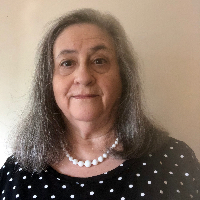
Mississippi · 23 yrs exp
LCSW - Life purpose and coping concerns
Stress, Anxiety · Grief · Anger · Self esteem · +8 more
Read profile
Michigan · 35 yrs exp
LMSW in Michigan - Life purpose and relationships
Stress, Anxiety · Addictions · Trauma and abuse · Self esteem · +3 more
Read profile
North Carolina · 20 yrs exp
Licensed Professional Counselor - Life purpose and relationships
Stress, Anxiety · Relationship · Family · Self esteem · +9 more
Read profile
Indiana · 11 yrs exp
LCSW - Life purpose and relationship focus
Stress, Anxiety · Grief · Depression · Coping with life changes · +8 more
Read profile
Kentucky · 11 yrs exp
Licensed Marriage and Family Therapist - relationships and life transitions
Stress, Anxiety · Relationship · Family · Self esteem · +9 more
Read profile
Mississippi · 9 yrs exp
Licensed Professional Counselor - Stress and Life Purpose
Stress, Anxiety · Trauma and abuse · Parenting · Anger · +13 more
Read profile
Louisiana · 14 yrs exp
Dr. Lawana Mabry - LCSW, Life purpose and coping
Stress, Anxiety · Anger · Self esteem · Depression · +9 more
Read profile
Florida · 20 yrs exp
Florida LMHC - Life purpose and transitions
Stress, Anxiety · Relationship · Family · Self esteem · +9 more
Read profile
Virginia · 14 yrs exp
Licensed Professional Counselor - Trauma and Life Changes
Trauma and abuse · Grief · Coping with life changes · Compassion fatigue · +12 more
Read profile
Nebraska · 25 yrs exp
LMHP counselor - Life purpose and coping support
Stress, Anxiety · Family · Trauma and abuse · Parenting · +12 more
Read profile
Alabama · 20 yrs exp
Licensed Professional Counselor - Life purpose and transitions
Stress, Anxiety · Relationship · Grief · Depression · +9 more
Read profile
Florida · 20 yrs exp
LMHC in Florida - Stress and relationships
Stress, Anxiety · Addictions · Relationship · Self esteem · +1 more
Read profile
Illinois · 38 yrs exp
Licensed counselor - Life purpose and coping
Stress, Anxiety · Self esteem · Depression · Coping with life changes · +9 more
Read profile
Oregon · 17 yrs exp
LMFT - Stress and Trauma-focused care
Stress, Anxiety · Trauma and abuse · Grief · Intimacy-related issues · +1 more
Read profile
Texas · 5 yrs exp
Licensed clinical social worker - Life purpose and coping issues
Stress, Anxiety · Relationship · Family · Trauma and abuse · +9 more
Read profile
Louisiana · 15 yrs exp
Licensed counselor - Stress and trauma
Stress, Anxiety · Trauma and abuse · Grief · Self esteem · +1 more
Read profile
Texas · 10 yrs exp
LPC in Texas - Stress and Life Changes
Stress, Anxiety · Grief · Depression · Coping with life changes
Read profile
Texas · 3 yrs exp
Licensed Professional Counselor - Life purpose and anxiety
Stress, Anxiety · Addictions · Relationship · Family · +5 more
Read profile
Florida · 11 yrs exp
LMHC in Florida - Stress and relationships
Stress, Anxiety · Relationship · Parenting · Self esteem · +11 more
Read profile
North Carolina · 30 yrs exp
LCMHC in North Carolina - Life purpose and transitions
Stress, Anxiety · Addictions · LGBT · Trauma and abuse · +1 more
Read profileDivorce often brings a dense mix of practical, emotional and identity challenges that can leave you feeling stalled or uncertain about what matters next. You might find yourself re-evaluating values, rethinking long-held plans or struggling to summon motivation for daily decisions. Low mood, disruption to your routine and the pressure to appear "put together" are common responses that can make decision-making feel heavier than before. If low mood includes any thoughts of harming yourself, contact local emergency services or a crisis line right away; do not rely on an online directory for urgent help.
When you look for help, you are likely weighing more than symptom relief. You may want to explore questions about meaning, direction and how to build a life that fits your evolving priorities. Some people focus on choices like parenting arrangements or work changes, while others are trying to reconnect with the values that felt important before the relationship ended. Whatever your priorities, a careful search through profiles lets you find descriptions that resonate with the particular combination of emotional recovery and future planning you need.
Divorce and the search for purpose often overlap, but one does not automatically cause the other. For some people the end of a relationship surfaces long-standing questions about identity and meaning. For others, the process of untangling finances, housing and family roles creates the practical space in which existential questions emerge. On this page you will find therapists who list Divorce as a focus and who also note life purpose, direction or meaning among their interests. That overlap in profiles signals areas of stated interest, not a medical conclusion or an established link between causes and outcomes.
When you read a profile, consider the way the therapist frames their work. Some profiles emphasise helping clients clarify values and make practical plans after separation. Others highlight support for processing grief, managing court-related stress or navigating new family dynamics. Therapists who list particular approaches - for example therapists who list EMDR among their approaches - are indicating an approach they use with some clients, not a formal certification presented here. Use the profile text to see whether the therapist speaks to both the emotional aftermath of divorce and the existential questions you care about.
When you contact someone whose profile feels relevant, ask concrete questions that help you match their ways of working to your needs. You might start by asking how they describe their work with people going through separation and whether they have experience with the issues you expect to face, such as co-parenting negotiations or identity transitions. Ask how they balance practical decision-making with meaning work - some clinicians emphasise goal-oriented planning, while others prioritise reflective conversations about values.
It is important to distinguish academic degrees from professional permission to practise. A profile may list degrees like PhD, PsyD, MD, MA or MSW. Those indicate academic training but do not by themselves confirm that a person currently holds a licence or registration. In the United States you will see references to state licences such as LCSW, LPC, LMFT or psychologist licence; in the United Kingdom practitioners commonly note professional registration or membership; in Australia clinicians may show registration or membership with national registers. Ask about the therapist's legal ability to offer care in your country or state and how they meet local requirements. Also ask about experience with any approaches you care about by using neutral phrasing - for example, "Do you work with clients using EMDR or similar approaches?" - rather than assuming particular credentials.
If you are considering remote sessions, clarify practical and safety details before your first appointment. Ask where the clinician is legally permitted to practise and whether their listed location reflects a local office they sometimes use or a broader service area. Discuss how they handle emergencies, including who you should contact if you have urgent safety concerns between sessions. Share your communication preferences and ask about typical session structure so you know what to expect in terms of focus on decision-making, emotion processing or values exploration.
Technology and boundaries also matter. Confirm the video or phone tools they use and what steps you should take if a connection fails during a session. Talk about time zones if you live in a different country from the therapist's listed location, and be explicit about whether language, cultural context or family law considerations are important to your work together. If you are also working with legal or financial professionals, consider asking how the therapist approaches coordination while preserving your autonomy in decision-making; a therapist's profile may note experience supporting clients through practical transitions, which can be a starting point for that conversation.
Profiles are where you will compare the details that matter most to you. Look for text that specifies focus areas such as Divorce, life purpose, direction or meaning, and read the way these concerns are described. Some profiles frame change as an opportunity to clarify values, others emphasise symptom management or coping strategies during high-stress periods. Pay attention to listed languages if communicating in your first language is important, and to any cultural competencies a therapist highlights in their profile narrative.
When you compare credentials, notice the distinction between academic degrees and professional permissions. A PhD or PsyD indicates doctoral-level academic training, while licence titles and regional registration indicate the permissions relevant to practice in particular jurisdictions. If a profile references particular approaches, remember that phraseology matters - "therapists who list EMDR among their approaches" signals that EMDR is one of several tools they may use, not proof of a specific certification. Also read for statements about style - whether the clinician describes their work as exploratory, practical, directive or collaborative - and consider which tone will help you engage most consistently.
Finally, use profiles to form clear questions to take into an initial conversation. Ask about the therapist's experience with work that blends practical decisions and meaning work, how they measure progress, and what a typical session might look like for someone in your situation. Comparing how different profiles answer those concerns will help you choose a person whose focus areas, language skills and professional standing align with the next steps you want to take toward direction and meaning after divorce.
Alabama
115 therapists
Alaska
12 therapists
Arizona
80 therapists
Arkansas
64 therapists
Australia
278 therapists
California
807 therapists
Colorado
157 therapists
Connecticut
79 therapists
Delaware
16 therapists
District of Columbia
21 therapists
Florida
710 therapists
Georgia
171 therapists
Hawaii
27 therapists
Idaho
44 therapists
Illinois
268 therapists
Indiana
105 therapists
Iowa
34 therapists
Kansas
48 therapists
Kentucky
105 therapists
Louisiana
126 therapists
Maine
26 therapists
Maryland
127 therapists
Massachusetts
85 therapists
Michigan
251 therapists
Minnesota
80 therapists
Mississippi
76 therapists
Missouri
142 therapists
Montana
38 therapists
Nebraska
36 therapists
Nevada
54 therapists
New Hampshire
15 therapists
New Jersey
157 therapists
New Mexico
27 therapists
New York
410 therapists
North Carolina
251 therapists
North Dakota
6 therapists
Ohio
181 therapists
Oklahoma
131 therapists
Oregon
54 therapists
Pennsylvania
244 therapists
Rhode Island
14 therapists
South Carolina
112 therapists
South Dakota
15 therapists
Tennessee
106 therapists
Texas
811 therapists
United Kingdom
1164 therapists
Utah
60 therapists
Vermont
16 therapists
Virginia
132 therapists
Washington
106 therapists
West Virginia
20 therapists
Wisconsin
92 therapists
Wyoming
23 therapists