- CBT strategies
- Client-centered work
- DBT skills
About Ruth
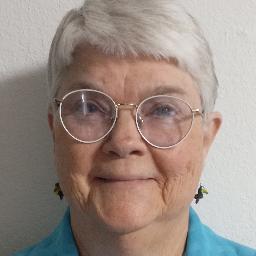
Ruth Kizer is an LPC (Licensed Professional Counselor) practicing in Texas with 28 years of clinical experience. She has worked in a state hospital, an outpatient mental health clinic, and a volunteer counseling center, and she has also taught and mentored students. Ruth sees adults who are hurting and lists concerns such as stress, anxiety, addictions, relationship problems, grief, depression, trauma and abuse, and coping with life changes.
Her approach is relaxed and interactive. Sessions focus on practical skills and clear conversation rather than lectures. She draws on client-centered work to follow what matters most to the person in the room, and she uses cognitive behavioral strategies to identify patterns of thought and behavior that keep problems going.
Ruth also incorporates elements of dialectical behavior therapy for managing strong emotions and mindfulness practices to help with attention and grounding. Motivational interviewing appears in her work when people face change related to substances, routines, or health. These methods are used together to address problems such as sleep and eating concerns, intimacy-related issues, parenting strain, and career questions.
Clients can expect a straightforward style that balances listening with concrete tools. Ruth adapts what she does based on the situation and the goals people bring. She emphasizes respect and sensitivity while helping people practice new ways of coping with anger, low self-esteem, chronic pain, or the stresses of caregiving.
Ruth lists additional focuses including abandonment, body image, blended family issues, cancer and chronic illness concerns, and domestic violence. If someone wants to begin, they are asked to follow the directory's steps to match and schedule a first session.
How her approaches translate to online work
Client-centered therapy focuses on listening and following the client's concerns. Online sessions let the therapist and client talk through what matters most and set goals together. Cognitive behavioral therapy (CBT) concentrates on identifying thought and behavior patterns and practicing alternatives; it often uses short between-session exercises and clear steps that fit well into remote work. Dialectical behavior therapy (DBT) offers skills for managing intense emotions, distress tolerance, and improving interpersonal effectiveness, which can be taught in-session and practiced between meetings.Finding the right mix of methods is collaborative. Ruth will listen to the person's goals, try approaches that match those goals, and adjust over time based on what helps. That means the first few sessions often include checking how strategies feel and changing the plan as needed.
The practical benefits of remote sessions include fitting meetings into a busy day, shortening check-ins when needed, and choosing formats that match access to video or phone. The directory's booking flow explains the session options available for this therapist, so confirm the current formats before scheduling. Online work can make it easier to practice skills in everyday life and follow up on short homework between appointments.
Areas of expertise
Primary focus
Also works with
Additional focus areas
Therapeutic approaches
Experience
28+ years
Listed in
Texas
Languages
English
Frequently asked questions
What kinds of concerns does she address?
Ruth works with stress, anxiety, addictions, relationship and intimacy issues, grief, depression, trauma and abuse, sleep and eating concerns, parenting strain, career questions, and coping with life changes.
How would she describe her therapeutic style?
She uses a relaxed, interactive style that combines listening with practical tools from cognitive behavioral and client-centered approaches.
How much clinical experience does she have?
Ruth has 28 years of experience, including work in a state hospital, an outpatient mental health clinic, and a volunteer counseling center, plus time teaching and mentoring students.
What credential does she hold and where is she based?
She is an LPC (Licensed Professional Counselor) licensed in Texas and practices in that state.
Which languages are sessions offered in?
Sessions are offered in English only.
Does she work with international clients?
International clients are not currently accepted.
How are sessions scheduled and what about cost?
Session cost varies with location and uses a subscription that can be canceled at any time; specific pricing is provided through the directory's scheduling flow.
What do I do to start a first session?
Select the See online therapy options button, complete the short matching questionnaire, and schedule a first session through the platform.
Online talk therapy is not emergency care. If you are in danger, use the crisis numbers.