- Client-centered approach
- CBT and DBT methods
- Parenting and grief
About Renisha
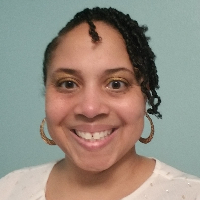
Renisha Oubre is an LPC - Licensed Professional Counselor in Louisiana with 12 years of clinical experience. She works with adults and younger clients who are facing stress, anxiety, depression, grief, relationship strain, parenting challenges, addictions, ADHD, and life changes. Her practice also includes concerns such as anger, self-esteem, career questions, bipolar mood concerns, and LGBT-related issues.
She uses a client-centered stance and takes a nondirective role in sessions. That means she listens first and tries to understand each person's point of view before suggesting ways forward. She checks in when something is unclear and supports clients in making their own decisions about goals and next steps.
In addition to client-centered work, she draws on approaches like cognitive behavioral methods, dialectical behavior skills, mindfulness, motivational interviewing, and narrative ideas when they fit a person's situation. Those tools are used to help with specific problems such as managing strong emotions, changing unhelpful thinking, coping with loss, and addressing addictive behaviors.
Renisha has experience working with a wide range of concerns that often overlap, for example family and communication problems paired with mood or substance issues. She offers individual and family counseling formats and encourages active participation from the person seeking help. Her style is collaborative and direct about expectations for honesty and openness in sessions.
Clients who choose to work with her begin by sharing what feels most urgent. From there she and the client agree on goals, try approaches that match those goals, and adjust the plan as needed based on feedback and progress.
How her approaches translate to online work
Client-centered therapy focuses on listening and supporting a person’s own goals. Online sessions can follow the same pattern: the therapist listens, reflects understanding, and helps set priorities without directing the client. This approach is useful when someone is unsure what next step matters most.Cognitive behavioral therapy (CBT) breaks problems into thoughts, feelings, and behaviors and uses exercises to test new ways of thinking. That structure works well in scheduled online meetings because homework and skill practice can be assigned between sessions. Dialectical behavior therapy (DBT) offers concrete skills for emotion regulation and distress tolerance, which can be taught and practiced during remote sessions to help when emotions feel overwhelming.
Finding the right approach is part of the process. The therapist will collaborate with the client to choose which methods to try based on goals and day-to-day demands. Plans are adjusted over time if something is not helping.
The practical benefits of online work depend on the formats she currently offers, so confirm the available session types before booking. Online sessions can make it easier to fit counseling into a busy schedule, allow brief check-ins between in-depth meetings, and reduce travel time. These practical advantages can help someone steadily address stress, relationship issues, grief, or career questions while keeping therapy manageable.
Areas of expertise
Primary focus
Also works with
Additional focus areas
Therapeutic approaches
Experience
12+ years
Listed in
Louisiana
Languages
English
Frequently asked questions
What kinds of concerns does she address?
She works with stress, anxiety, depression, grief, parenting challenges, addictions, relationship and family issues, ADHD, and related concerns listed in her specialties.
How does she approach feeling stuck or directionless?
Her base approach is client-centered, which means she listens first and helps clients identify their own priorities. She also uses cognitive and behavioral techniques when helpful to move from feeling stuck to practical steps.
How many years of experience does she have?
She has 12 years of experience working in counseling roles with a variety of concerns and age groups.
What credential does she hold and where is she located?
She is an LPC - Licensed Professional Counselor practicing in Louisiana.
Can I work with her if I don’t speak English?
Sessions are offered in English.
Does she accept clients outside the United States?
She does not accept international clients at this time.
What session formats does she use?
Her biography lists individual and family counseling formats; confirm current session options before booking.
How are sessions priced and how do I begin?
Cost varies with location and sessions use a subscription that can be canceled at any time. To begin, select the See online therapy options button, complete a short matching questionnaire, and schedule a first session.
Online talk therapy is not emergency care. If you are in danger, use the crisis numbers.