
Dr. Steven Hurley
IL Psychologist 071007009Illinois · 19 yrs exp
Dr. Steven Hurley - Psychologist, Life purpose and mood concerns
Stress, Anxiety · LGBT · Relationship · Trauma and abuse · +9 more
Read profileTherapist listings are provided by BetterHelp. We will earn a commission at no additional cost to you if you use our links to purchase.
This page groups profiles that list prejudice and discrimination among their focus areas alongside life purpose, direction and meaning. You can compare listed approaches, languages, credentials and the therapist's listed location to help guide your choice. Browse profiles to review each practitioner's stated focus and background.
Illinois · 19 yrs exp
Dr. Steven Hurley - Psychologist, Life purpose and mood concerns
Stress, Anxiety · LGBT · Relationship · Trauma and abuse · +9 more
Read profile
Texas · 12 yrs exp
LPC in Texas - Life purpose and mood concerns
Stress, Anxiety · Self esteem · Career · Depression · +9 more
Read profile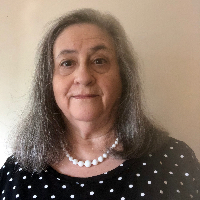
Mississippi · 23 yrs exp
LCSW - Life purpose and coping concerns
Stress, Anxiety · Grief · Anger · Self esteem · +8 more
Read profile
California · 14 yrs exp
Licensed Clinical Social Worker - Life purpose and adjustment
Stress, Anxiety · Trauma and abuse · Grief · Self esteem · +8 more
Read profile
Florida · 10 yrs exp
LCSW - Life purpose and relationship concerns
Stress, Anxiety · Addictions · Family · Grief · +8 more
Read profile
Louisiana · 14 yrs exp
Dr. Lawana Mabry - LCSW, Life purpose and coping
Stress, Anxiety · Anger · Self esteem · Depression · +9 more
Read profile
Virginia · 14 yrs exp
Licensed Professional Counselor - Trauma and Life Changes
Trauma and abuse · Grief · Coping with life changes · Compassion fatigue · +12 more
Read profile
New York · 24 yrs exp
LCSW - Life purpose and relationships
Stress, Anxiety · Addictions · Family · Parenting · +9 more
Read profile
Illinois · 38 yrs exp
Licensed counselor - Life purpose and coping
Stress, Anxiety · Self esteem · Depression · Coping with life changes · +9 more
Read profile
Michigan · 10 yrs exp
Licensed counselor - Life purpose and relationships
Stress, Anxiety · Family · Trauma and abuse · Grief · +12 more
Read profile
Oregon · 17 yrs exp
LMFT - Stress and Trauma-focused care
Stress, Anxiety · Trauma and abuse · Grief · Intimacy-related issues · +1 more
Read profile
Wyoming · 14 yrs exp
LCSW - Life purpose and change work
Addictions · Relationship · Depression · Coping with life changes · +11 more
Read profile
Georgia · 3 yrs exp
Licensed Professional Counselor - Stress and Life Changes
Stress, Anxiety · Self esteem · Career · Depression · +1 more
Read profile
Michigan · 26 yrs exp
LMSW in Michigan - Life purpose and relationships
Stress, Anxiety · Addictions · Relationship · Grief · +14 more
Read profile
New York · 23 yrs exp
LMHC in New York - Stress and Life Purpose
Stress, Anxiety · Trauma and abuse · Grief · Depression · +13 more
Read profile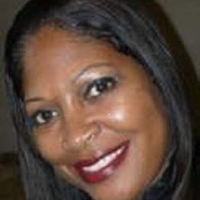
North Carolina · 25 yrs exp
Licensed Clinical Mental Health Counselor - Life purpose and relationships
Stress, Anxiety · Relationship · Depression · Coping with life changes · +1 more
Read profile
Missouri · 8 yrs exp
Licensed Counselor - Stress and Addictions
Stress, Anxiety · Addictions · LGBT · Trauma and abuse · +15 more
Read profile
Florida · 11 yrs exp
LMHC in Florida - Life purpose and transitions
Stress, Anxiety · Trauma and abuse · Grief · Depression · +8 more
Read profile
Texas · 3 yrs exp
Licensed Professional Counselor - Life purpose and relationships
Stress, Anxiety · Trauma and abuse · Anger · Self esteem · +7 more
Read profile
Michigan · 36 yrs exp
LMSW working with life transitions and mood concerns
Stress, Anxiety · Anger · Self esteem · Career · +11 more
Read profile
Georgia · 3 yrs exp
Licensed Clinical Social Worker - Life purpose and relationships
Stress, Anxiety · Relationship · Family · Trauma and abuse · +7 more
Read profile
Florida · 40 yrs exp
LCSW - Life purpose and relationship concerns
Stress, Anxiety · Addictions · LGBT · Relationship · +3 more
Read profile
Tennessee · 9 yrs exp
Licensed counselor - Relationships and trauma
LGBT · Relationship · Trauma and abuse · Career · +2 more
Read profile
Texas · 3 yrs exp
LPC counselor - life purpose and mental health
Stress, Anxiety · Depression · Addictions · LGBT · +10 more
Read profile
Maryland · 6 yrs exp
Licensed Clinical Social Worker - Life purpose and relationships
Stress, Anxiety · Addictions · Relationship · Family · +16 more
Read profile
California · 14 yrs exp
California LMFT - Relationships and Life Purpose
Stress, Anxiety · Relationship · Trauma and abuse · Grief · +1 more
Read profile
California · 8 yrs exp
Licensed Clinical Social Worker - Life purpose and relationships
Stress, Anxiety · Relationship · Self esteem · Career · +9 more
Read profile
United Kingdom · 5 yrs exp
Counsellor - Life purpose and relationships
Stress, Anxiety · Addictions · Relationship · Grief · +1 more
Read profile
United Kingdom · 13 yrs exp
Counsellor - Stress and life direction
Stress, Anxiety · LGBT · Trauma and abuse · Grief · +1 more
Read profile
Illinois · 25 yrs exp
LCPC in Illinois - Life purpose and coping
Stress, Anxiety · Addictions · Self esteem · Depression · +9 more
Read profileWhen experiences of prejudice or discrimination intersect with questions of purpose, you may feel unmoored, less motivated or unsure about what matters next. You might be reassessing career goals, relationships or personal values after an incident at work, a change in social context or a life stage transition. These experiences can affect confidence, energy and decision-making, and they can also raise questions about identity, belonging and what you want from the future. You are likely looking for a place to be heard and for practical ways to move forward without pressure to have everything figured out.
It helps to think about what you need from a therapeutic relationship. Some people prioritize a therapist who acknowledges systems of inequality and can discuss how discrimination shapes choices and opportunities. Others want someone who focuses on rebuilding motivation, clarifying values and exploring new directions. Whatever you seek, this page groups profiles so you can review how each therapist describes their focus areas, approaches and languages. Remember that a listed topic signals that a therapist has chosen to mention it on their profile; it does not prove specific outcomes or a particular scope of practice.
Prejudice and discrimination can intersect with questions about purpose in several ways, but there is no single path from one to the other. For some, repeated exclusion or marginalization reshapes what feels possible and may narrow options that once seemed open. For others, an experience of discrimination prompts a deeper reassessment of values, leading to changes in career, community engagement or personal priorities. You may find that issues of meaning and direction arise because discrimination affects your sense of agency and self-worth, or because you are trying to reconcile personal goals with the realities of workplace or social barriers.
It is important not to assume a causal link simply because both topics appear together on a profile. Therapists who list prejudice and discrimination among their focus areas are indicating an interest or experience in addressing those concerns, and many also note life purpose as a related focus. When you read profiles, look for language about how a therapist frames the relationship between social experience and personal goals. That framing can help you decide whether their perspective fits what you want to explore, whether that is boundary setting, values clarification, navigating workplace dynamics or processing emotional responses to bias.
When you review profiles and consider reaching out, prepare specific questions that will help you compare practitioners. Ask how a therapist describes their work with people affected by prejudice and discrimination - do they emphasize identity-affirming practice, systemic context, skills for coping with microaggressions, or support for career and life transitions? You can also ask which populations they mention working with on their profile, and whether they have experience with the particular cultural or identity issues that matter to you. If a profile lists approaches such as cognitive-behavioural work, narrative methods, or trauma-informed perspectives, treat those as conversation starters. It is accurate to say "therapists who list EMDR among their approaches" or similar, but that wording does not imply any specific credential or that every therapist uses that approach.
Pay attention to how a therapist lists their academic credentials and professional permission to practise. Degrees such as PhD, PsyD, MD, MA or MSW are academic qualifications and do not by themselves indicate current regulatory permission to provide care. In the United States, people commonly refer to state licenses that permit practice; in the United Kingdom and Australia professionals often note registration or membership with national bodies or professional associations. Profiles may include both degree information and notes about registration or licensing. Ask directly about the therapist's scope of practice and whether they routinely work with adults, older adolescents, couples or families, because a listed focus area does not automatically mean a practitioner treats every population or problem.
If you are considering online sessions with someone who lists prejudice and discrimination among their concerns, it is helpful to raise a few practical and clinical topics before you start. Discuss how they typically work when social stressors or discrimination are a central concern - whether they focus on coping strategies, narrative work to explore values, or practical planning around career and community choices. Clarify what kind of support they see as part of therapy and what falls outside their scope, because online talk therapy is not a substitute for career coaching or religious guidance. You should also ask how they handle crisis situations and what resources they recommend locally if you need immediate help. If you are experiencing thoughts of self-harm or are in immediate danger, contact local emergency services or a crisis line such as 988 in the United States, 999 in the United Kingdom, or 000 in Australia right away.
Other practical questions might include how they describe the therapeutic relationship, how they approach cultural or identity differences in sessions, and whether they work with interpreters or multilingual clients if that matters to you. Some people want a therapist who explicitly discusses power and structural issues in sessions; others prefer a more individually focused approach. Bring these topics up early so you can get a clear sense of fit. Remember that profiles describe what a therapist has chosen to highlight and are a starting point for a more detailed conversation.
When comparing profiles on this page, pay attention to four practical elements that often matter most: stated focus areas, language proficiency, listed credentials and the therapist's described style. Focus areas tell you whether the practitioner has indicated prejudice and discrimination and life purpose among their concerns. Language listings can be important if you prefer to talk in a language other than English - profiles may show the languages a therapist lists. Credentials and professional permission vary by country, so read degree information as separate from licensure or registration details. A profile might list a PhD or MSW alongside a note about state licensure, UK registration or Australian membership. That combination gives a fuller picture than degree alone.
Style is the less formal but often decisive element. Some therapists describe themselves as solution-oriented, values-focused, trauma-aware or relational in their approach. Treat those descriptions as a preview of how sessions might feel rather than as guarantees. Concrete comparison questions you can use in a follow-up message include asking how they typically begin work with someone whose primary concerns are discrimination and a loss of direction, what goals other clients tend to set, and how they measure progress. None of these details prove outcomes, but they can help you choose a profile to explore further. Finally, remember that the presence of a listed focus does not establish that a therapist treats children, couples or families. If you have specific needs, raise them directly in early contact to confirm fit.
Alabama
115 therapists
Alaska
12 therapists
Arizona
80 therapists
Arkansas
64 therapists
Australia
278 therapists
California
807 therapists
Colorado
157 therapists
Connecticut
79 therapists
Delaware
16 therapists
District of Columbia
21 therapists
Florida
710 therapists
Georgia
171 therapists
Hawaii
27 therapists
Idaho
44 therapists
Illinois
268 therapists
Indiana
105 therapists
Iowa
34 therapists
Kansas
48 therapists
Kentucky
105 therapists
Louisiana
126 therapists
Maine
26 therapists
Maryland
127 therapists
Massachusetts
85 therapists
Michigan
251 therapists
Minnesota
80 therapists
Mississippi
76 therapists
Missouri
142 therapists
Montana
38 therapists
Nebraska
36 therapists
Nevada
54 therapists
New Hampshire
15 therapists
New Jersey
157 therapists
New Mexico
27 therapists
New York
410 therapists
North Carolina
251 therapists
North Dakota
6 therapists
Ohio
181 therapists
Oklahoma
131 therapists
Oregon
54 therapists
Pennsylvania
244 therapists
Rhode Island
14 therapists
South Carolina
112 therapists
South Dakota
15 therapists
Tennessee
106 therapists
Texas
811 therapists
United Kingdom
1164 therapists
Utah
60 therapists
Vermont
16 therapists
Virginia
132 therapists
Washington
106 therapists
West Virginia
20 therapists
Wisconsin
92 therapists
Wyoming
23 therapists