- Stress and anxiety
- Relationship issues
- Grief and loss
About Neslyn
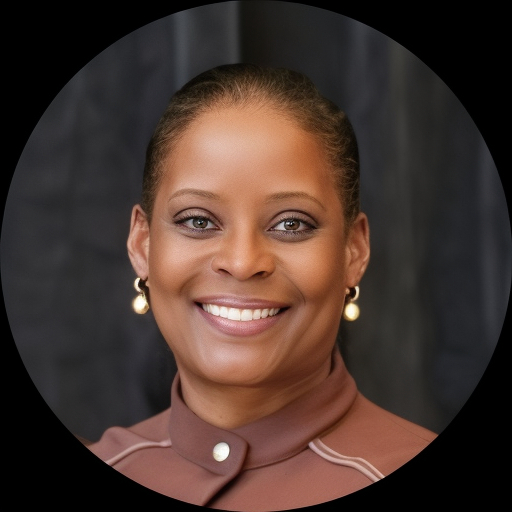
Neslyn Carty is a Licensed Professional Counselor (LPC) practicing in Texas with 14 years of clinical experience. She focuses on common, practical problems such as stress, anxiety, relationship strain, grief, and low self-esteem. She also works with issues like abandonment, attachment concerns, blended family challenges, body image, caregiver stress, codependency, and communication problems.
Her sessions are straightforward and conversational. She helps people name what feels off, notice patterns, and try small changes to reduce overwhelm. Conversations often cover how past relationships shape current reactions and what gets in the way of clearer communication.
In practice she pays attention to cultural context and life circumstances that affect daily choices. That can mean looking at work or family roles, expectations, or recent transitions that leave someone feeling stuck or empty. She draws on evidence-based therapeutic techniques to guide the work rather than relying on slogans or quick fixes.
Clients can expect practical tools as well as time to talk through painful emotions like grief, guilt, or shame. Neslyn supports people weighing commitment questions, navigating separation or divorce, and managing control and trust issues. Her language is plain and direct, aimed at helping someone figure out what comes next after a change in work, relationships, or health.
She offers services in English and practices from Texas. To start, people complete a short questionnaire and schedule an initial session to clarify goals and next steps.
Therapeutic approaches and how online sessions work
Many of the techniques Neslyn uses come from well-established, evidence-based approaches. Cognitive-behavioral methods focus on identifying unhelpful thought patterns and testing small behavioral changes to reduce anxiety and improve mood. Attachment-informed work looks at how early relationships affect connection, trust, and communication today, which can help with abandonment concerns and relationship problems.Finding the right approach is a collaborative process. The therapist will discuss options, check what feels helpful, and adapt methods to clients' goals and preferences. That means trying something for a few sessions and changing course if it does not fit the person's needs.
Confirm current session options before booking because formats are not specified in the biography. In general, online sessions can make it easier to fit therapy into a busy week, allow shorter check-ins when needed, and remove travel time so people can use work breaks or evenings. These practical benefits help people maintain consistency while they figure out next steps after a life change.
Areas of expertise
Primary focus
Additional focus areas
Experience
14+ years
Listed in
Texas
Languages
English
Frequently asked questions
What concerns does she help with?
She works with stress, anxiety, relationship and family challenges, grief, and self-esteem. She also addresses issues like abandonment, attachment, codependency, and body image.
How does she approach someone feeling stuck?
Her style is conversational and practical. She helps people identify patterns, try small changes, and use evidence-based techniques to reduce overwhelm.
How much clinical experience does she have?
She has 14 years of experience working with adults on relationship transitions, workplace concerns, and personal change.
What are her credentials and location?
She is a Licensed Professional Counselor (LPC) practicing in Texas.
Which languages are supported?
Sessions are offered in English.
Can people outside the US work with her?
International clients are not currently accepted.
How does pricing work?
Cost varies with location and sessions use a subscription model that can be canceled at any time.
What are the first steps to begin?
Select the See online therapy options button, complete a short matching questionnaire, and schedule a first session to get started.
Online talk therapy is not emergency care. If you are in danger, use the crisis numbers.