- Stress and anxiety
- Relationship work
- ACT and CBT methods
About Marcella
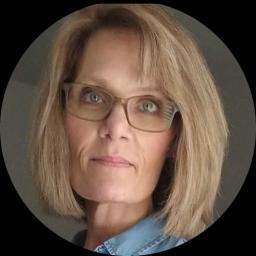
Marcella Groover is an LPC (Licensed Professional Counselor) in Arkansas with 15 years of clinical experience. She works with people coping with stress, anxiety, relationship struggles, trauma and abuse, low self-esteem, and depression. Marcella also addresses related concerns such as abandonment, attachment issues, caregiver stress, chronic illness and pain, codependency, and communication problems.
She uses straightforward conversation and practical skills in sessions. Marcella draws on Acceptance and Commitment Therapy, Attachment-Based Therapy, Client-Centered Therapy, Cognitive Behavioral Therapy, and the Gottman Method to help people identify patterns and try different ways of responding. Sessions focus on small, workable steps rather than abstract theories.
Marcella describes counseling as a collaborative process. She listens, checks what matters most to each person, and helps set goals that make sense for daily life. That may include building coping skills for anxiety, practicing communication techniques, or examining how past loss shapes current relationships.
Her work spans common life transitions and ongoing challenges. People who are wrestling with direction after a change in work, relationships, or health will find a practical, steady approach that prioritizes clear options and next steps. The aim is to help each person notice progress and put new habits to work.
Background and approach: Marcella brings a mix of relational and behavioral methods to her work. She pays attention to attachment and relationship patterns while also teaching cognitive and mindfulness skills to manage symptoms. Sessions often include exercises to try between meetings, communication tools for difficult conversations, and ways to clarify values and priorities. She asks about real-life constraints and shapes plans that can fit into busy schedules.
How evidence-based approaches translate to online work
Acceptance and Commitment Therapy (ACT) focuses on clarifying values and taking committed steps toward them while learning to live with difficult thoughts and feelings. It can help people who feel stuck decide what matters and try small changes. Attachment-Based Therapy looks at how past relationships shape current connection patterns and communication. It can be useful when relationship trust or closeness feels uncertain. Cognitive Behavioral Therapy (CBT) targets unhelpful thinking and behavior patterns with concrete exercises and practice to reduce symptoms like anxiety and depression.Finding the right approach is part of the work together. The therapist will talk with the client about goals, habits, and what has or hasn't helped before. Together they pick methods that fit the person's needs and preferences, then adjust those methods as they learn what works in real life.
The biography does not list specific session formats, so confirm current session options before booking. Online work can make it easier to fit appointments into a busy week, allow shorter check-ins when time is limited, and remove travel time. It can also let people try communication exercises and homework between meetings in their usual routines. Licensed professionals, including therapists, often use these practical benefits to help therapy fit into everyday life.
Areas of expertise
Primary focus
Additional focus areas
Therapeutic approaches
Experience
15+ years
Listed in
Arkansas
Languages
English
Frequently asked questions
What kinds of concerns does she address?
She works with stress, anxiety, relationship issues, trauma and abuse, self-esteem, and depression. Additional focuses include attachment issues, caregiver stress, chronic illness and codependency.
How does she approach someone who feels stuck?
Her style combines Acceptance and Commitment Therapy, Attachment-Based, Client-Centered, and Cognitive Behavioral techniques. The focus is on practical steps, communication practice, and identifying values that guide next actions.
How much clinical experience does she have?
She has 15 years of experience as a counselor. That experience includes work with the range of concerns listed above.
What credential does she hold and where is she based?
She is an LPC, which stands for Licensed Professional Counselor, and she is located in Arkansas.
Are sessions available in languages other than English?
Sessions are offered in English. International clients are not currently accepted.
What session formats are offered?
The original biography did not specify session formats. Confirm current session options before booking to know whether in-person or remote sessions are available.
How are sessions paid for and what does it cost?
Costs vary with location and sessions use a subscription that can be canceled at any time. Exact pricing depends on the chosen plan and location.
How do I begin working with her?
Select the See online therapy options button, complete a short matching questionnaire, and schedule a first session. That starts the intake and scheduling process.
Online talk therapy is not emergency care. If you are in danger, use the crisis numbers.