- Depression and anxiety
- Trauma and grief
- Values focused work
About Leslie
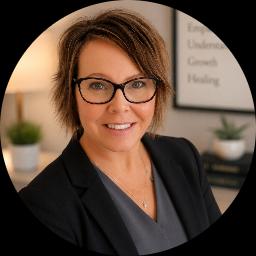
Leslie Caulder-Richardson is a North Carolina LCMHC with eight years of clinical experience. She works with people facing depression, anxiety, trauma and abuse, grief, and bipolar concerns. Her practice also addresses issues such as abandonment, attachment difficulties, body image, communication problems, and challenges around blended families and fatherhood.
Leslie focuses on practical ways to move forward after hard events. She helps people talk through panic, overwhelming sadness, or the numbness that follows loss. Sessions often include straightforward skills for managing strong emotions and improving day-to-day functioning.
Her approach draws from Acceptance and Commitment Therapy, Cognitive Behavioral Therapy, and Client-Centered methods. She uses mindfulness exercises and solution-focused steps to break big problems into manageable tasks. Conversations tend to center on what matters to the person now, and on small experiments to test new ways of coping.
In sessions she pays attention to relationship patterns and family of origin issues that keep people stuck. She also works with people exploring kink and alternative sex culture, and with those dealing with chronic illness or cancer related concerns. Practical problem solving and clearer communication are common themes.
Leslie asks questions, reflects what she hears, and helps people try different strategies between sessions. People leave with concrete next steps and ideas to practice. The work aims to increase clarity about values and to make choices that fit those values.
Therapeutic approaches and remote sessions
Leslie draws from Acceptance and Commitment Therapy and Cognitive Behavioral Therapy in her work. ACT focuses on clarifying what matters to a person and taking actions aligned with those values while accepting difficult thoughts and feelings. CBT identifies thought and behavior patterns that keep problems going, and introduces practical skills to shift those patterns.Finding the right approach is part of the work itself. Leslie treats approach selection as collaborative and will work with clients to choose methods that fit their goals, needs, and personal preferences. That may mean blending ACT, CBT, mindfulness exercises, and solution-focused steps over time.
Confirm the specific online session options Leslie offers before booking. Many people find remote sessions help fit therapy into busy schedules, allow shorter check-ins on a lunch break, or reduce travel time. Online work can make it easier to practice mindfulness or behavior experiments between meetings and to apply new skills directly in daily life.
Areas of expertise
Primary focus
Additional focus areas
Therapeutic approaches
Experience
8+ years
Listed in
North Carolina
Languages
English
Frequently asked questions
What kinds of problems does she help with?
She helps people with stress, anxiety, depression, bipolar concerns, trauma and grief, plus related issues like attachment, communication, and body image.
How does she approach feeling stuck or directionless?
She combines Acceptance and Commitment Therapy, Cognitive Behavioral Therapy, mindfulness, and solution-focused techniques to identify values and try small, practical steps.
How much experience does the therapist have?
Leslie has eight years of clinical experience working with mood concerns, trauma, and life transitions.
What are her credentials and where is she located?
She is an LCMHC licensed in North Carolina and practices there.
Can non-US or international clients work with her?
Sessions are conducted in English and she is not currently accepting international clients.
What session formats are available?
Confirm current session options before booking to learn which formats she offers.
How are fees handled?
Cost varies with location; sessions use a subscription model that can be canceled at any time.
How do I begin working with her?
Select the See online therapy options button, complete a short matching questionnaire, and schedule a first session.
Online talk therapy is not emergency care. If you are in danger, use the crisis numbers.