- Stress and anxiety
- Client-Centered Therapy
- Cognitive Behavioral Therapy
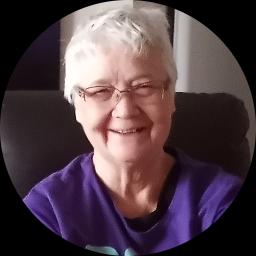
About Darlene
Dr. Darlene Hopkins is a Licensed Clinical Mental Health Counselor (LCMHC) practicing in North Carolina with 43 years of experience. She works with adults who are feeling stuck by stress, anxiety, relationship problems, trauma and abuse, low self-esteem, and depression. Her practice also addresses related concerns such as attachment issues, codependency, body image, chronic illness and pain, substance-related problems, and emptiness.
Hopkins describes her role as listening carefully and helping people find a way forward. She frames counseling as an active choice for people who want change. In sessions she listens, teaches practical skills, and helps people sort through confusion so they can make clearer decisions about what matters next.
Her approach draws on Client-Centered Therapy and Cognitive Behavioral Therapy (CBT). That means conversations focus on a person’s experience and on concrete patterns of thinking and behavior that keep problems stuck. Sessions often include talk, reflection, and skills practice aimed at easing symptoms and improving everyday coping.
People who choose her often want straightforward help with relationship conflict, substance use concerns, or the emotional fallout from divorce, abuse, or loss. She also works with people coping with mood disruptions, dissociation, and some personality-related patterns such as avoidant or dependent traits.
Her long experience includes listening to many kinds of struggle and helping people identify next steps. She asks for active participation and expects clients to engage in the work between sessions. Those ready to make a change can begin by following the site’s intake steps to schedule a first session.
How her approaches translate to online work
Client-Centered Therapy focuses on listening and understanding a person’s experience, helping them speak about what matters and feel heard. It suits people who need a thoughtful listener and time to sort through feelings. Cognitive Behavioral Therapy (CBT) focuses on spotting and changing unhelpful thoughts and behaviors, with practical exercises that can reduce anxiety, low mood, and avoidance patterns.Choosing an approach is a collaborative process. The therapist will work with the client to identify goals, try techniques, and adjust the focus based on what helps most. That means starting with the person’s immediate concerns and testing practical tools together rather than committing to a fixed plan up front.
The biography does not specify which online session formats are offered, so confirm the current options before booking. In general, online sessions can make it easier to fit therapy into a busy week, allow shorter check-in visits when needed, and remove travel time. These practical benefits help people keep therapy consistent while they balance work, family, and other responsibilities.
Areas of expertise
Primary focus
Additional focus areas
Therapeutic approaches
Experience
43+ years
Listed in
North Carolina
Languages
English
Frequently asked questions
What kinds of problems does she work with?
She works with stress, anxiety, relationship issues, trauma and abuse, self-esteem concerns, and depression, plus related problems like attachment issues, body image, substance concerns, and chronic illness.
How would she describe her therapeutic style?
She combines a client-centered stance with cognitive behavioral techniques, focusing on listening closely and teaching practical tools to change unhelpful thinking and behavior.
How much experience does she have?
She has 43 years of clinical experience working with adults on a wide range of emotional and interpersonal concerns.
What are her credentials and where does she practice?
She is an LCMHC licensed in North Carolina and practices there.
Does she work in languages other than English or with international clients?
Sessions are offered in English and she is not accepting international clients at this time.
What session formats are used for meetings?
The original biography does not list specific session formats; please confirm current session options before booking.
How much do sessions cost?
Cost varies with location and sessions use a subscription model that can be canceled at any time.
How do I start working with her?
Click the See online therapy options button, complete the short matching questionnaire, and schedule your first session through the site.
Online talk therapy is not emergency care. If you are in danger, use the crisis numbers.