- ACT methods
- CBT techniques
- Relationship work
About Andromada
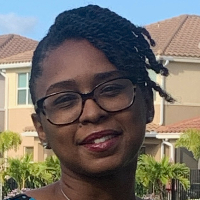
Andromada Brooks is a Licensed Mental Health Counselor (LMHC) in Florida with eight years of clinical work. She helps people struggling with stress, anxiety, addiction, trauma, depression, relationship problems, grief, and questions about identity and intimacy. She also works with concerns like ADHD, bipolar symptoms, codependency, and issues around abandonment and control.
Her background includes work in multiple settings with culturally diverse clients. That experience has led her to use approaches such as Acceptance and Commitment Therapy (ACT), Cognitive Behavioral Therapy (CBT), Dialectical Behavior Therapy (DBT), Emotionally-Focused Therapy (EFT), and client-centered methods. She chooses techniques that fit each person's situation and goals.
In sessions she focuses on practical change. She helps people name what is getting in the way, try different ways of thinking or acting, and build skills for handling strong emotions. She will challenge unhelpful patterns and practice new responses alongside the client.
She pays attention to relationship patterns and communication problems. For people facing separation, domestic violence, addiction, or grief, she works on safety, coping strategies, and rebuilding routines that make daily life more manageable.
People who feel stuck after a job change, a breakup, or a health event will find a direct, skills-based approach. Life purpose questions are part of the work when clients want to explore what matters next. To start, clients complete a short matching questionnaire and schedule a first session.
How therapeutic methods translate to online work
Acceptance and Commitment Therapy (ACT) helps people notice the thoughts and feelings that get in the way of what matters. It emphasizes values and small, committed actions to move toward a clearer sense of purpose. Cognitive Behavioral Therapy (CBT) focuses on spotting and testing unhelpful thoughts and building practical skills to change behavior and mood. Dialectical Behavior Therapy (DBT) adds concrete emotion regulation and distress tolerance skills for people who struggle with intense reactions.Finding the right approach is part of the work. The therapist will discuss goals, preferences, and what has or has not helped before. Together they decide which methods to try and adjust them as needed, so the plan fits the client's life and aims.
The biography does not list specific session formats, so confirm available options before booking. Online sessions can make it easier to fit therapy into a busy day, allow shorter check-ins when needed, and remove commute time. Working remotely also lets a person test new skills between sessions in their usual routines, then bring observations back to session for review.
Areas of expertise
Also works with
Additional focus areas
Therapeutic approaches
Experience
8+ years
Listed in
Florida
Languages
English
Frequently asked questions
What kinds of problems does she address?
She works with stress, anxiety, addictions, trauma and abuse, depression, bipolar concerns, ADHD, relationship and intimacy issues, grief, and related problems such as codependency and abandonment.
How does she approach someone who feels stuck?
She uses practical, skills-based methods drawn from ACT, CBT, DBT, EFT, and client-centered work to identify unhelpful patterns and practice alternative responses.
How long has she been practicing?
She has eight years of clinical experience working in a range of settings with culturally diverse clients.
What are her professional credentials and location?
She is a Licensed Mental Health Counselor, FL LMHC, and practices from Florida.
Can I work with her if I live outside the United States?
Sessions are offered to international clients; sessions are conducted in English.
What session formats are offered?
The original biography did not specify formats. Please confirm current session options before booking.
How is cost handled?
Cost varies with location and sessions use a subscription model that can be canceled at any time.
What do I do to get started?
Select the See online therapy options button, complete a short matching questionnaire, and schedule a first session.
Online talk therapy is not emergency care. If you are in danger, use the crisis numbers.