- Acceptance and Commitment Therapy
- Cognitive Behavioral Therapy
- Motivational Interviewing
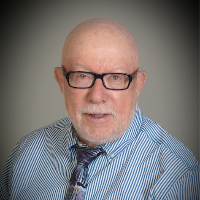
About James
Dr. James Kowalski is a Licensed Clinical Mental Health Counselor (LCMHC) and a Licensed Mental Health Counselor (LMHC) with 30 years of experience. He is based in West Virginia and works with adults on concerns such as stress, anxiety, addictions, grief, anger, depression, relationship issues, trauma and abuse, eating issues, self-esteem, bipolar disorder, and compassion fatigue. He also lists life purpose among his focus areas.
He uses approaches drawn from Acceptance and Commitment Therapy, Client-Centered Therapy, Cognitive Behavioral Therapy, Mindfulness Therapy, and Motivational Interviewing. Sessions aim to be interactive and practical. He leans on clear techniques from these models to help people notice patterns, test new behaviors, and set manageable steps forward.
Dr. Kowalski’s background includes long experience with substance-related challenges and work with older adults. His résumé notes work across several states and specific training in addiction counseling and anger management. He describes a style that centers respect and dignity while keeping conversations direct.
In a typical session he listens, offers feedback grounded in evidence-based methods, and helps people try different ways of responding to problems. For those facing caregiver stress, cancer-related concerns, end-of-life questions, or major life transitions, he combines practical problem-solving with values-based work to clarify what matters next.
People considering therapy are encouraged to complete the matching questionnaire and schedule an initial session to see whether his approach fits their needs.
How his therapeutic approaches translate to online sessions
Acceptance and Commitment Therapy (ACT) helps people notice unhelpful thoughts and choose actions that align with their values; it is often used for stress, anxiety, and questions about life purpose. Cognitive Behavioral Therapy (CBT) focuses on identifying patterns of thinking and behavior and trying practical experiments to change them, which can help with depression, anxiety, and coping skills. Motivational Interviewing is a conversational method that supports people to find their own reasons for change and to strengthen commitment to goals.Finding the right approach is part of the work. He will collaborate with each person to identify which methods fit their needs, goals, and preferences. Sessions can blend techniques and be adjusted over time based on how a person responds.
The therapist’s biography does not specify exact session formats here, so confirm the current online session options before booking. Online work can make it easier to fit therapy into a busy week, reduce travel time, and allow shorter check-ins when schedules are tight. It also allows using exercises between sessions, practicing new skills in everyday settings, and returning to material between meetings to build on small steps toward clearer direction.
Areas of expertise
Primary focus
Also works with
Additional focus areas
Therapeutic approaches
Experience
30+ years
Listed in
Georgia, North Carolina, Florida, West Virginia
Languages
English
Frequently asked questions
What kinds of concerns does he work with?
He works with stress, anxiety, addictions, grief, anger, depression, relationship issues, trauma and abuse, eating issues, self-esteem, bipolar disorder, and compassion fatigue, and lists life purpose among his focus areas.
How would he approach someone feeling stuck about purpose?
He uses methods from ACT, CBT, client-centered work, mindfulness, and motivational interviewing to help clarify values, test small changes, and set practical steps toward what matters to the client.
How much clinical experience does he have?
He has 30 years of experience in the helping professions and experience across substance-related care and geriatric issues.
What are his professional credentials and where is he based?
He holds the credentials LCMHC and LMHC and is based in West Virginia; his credential details include NC LCMHC and FL LMHC as noted in his background.
Which languages are supported for sessions?
Sessions are offered in English.
Does he work with international clients?
International clients are not currently accepted.
How are session costs handled?
Cost varies by location and sessions use a subscription that can be canceled at any time.
How do I begin a first session?
Select the See online therapy options button, complete a short matching questionnaire, and schedule a first session to start the process.
Online talk therapy is not emergency care. If you are in danger, use the crisis numbers.