- Stress and anxiety
- CBT and DBT skills
- Motivational interviewing
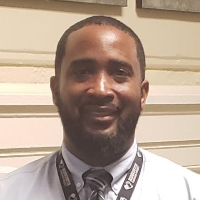
About Sherron
Sherron Bostic, LCSW (Licensed Clinical Social Worker) and CSW, has eight years of professional experience helping adults manage stress, anxiety, depression, trauma and relationship struggles. He also works with people dealing with anger, addictions, self-esteem, grief, intimacy-related concerns, bipolar disorder, and ADHD. Sherron is based in Georgia and conducts sessions in English.
Sherron uses conversational, practical work to help people who feel stuck after big life changes. He listens for what matters most and helps clients break problems into manageable steps. Sessions often involve identifying unhelpful patterns and trying small changes between meetings.
His approach draws on Client-Centered Therapy to keep the focus on the person's goals. He also uses Cognitive Behavioral Therapy (CBT) to map thoughts, feelings and behaviors, and Dialectical Behavior Therapy (DBT) skills for emotion regulation and distress tolerance. Mindfulness techniques and Motivational Interviewing help when motivation or attention are barriers.
Sherron has experience with a broad range of family and relationship concerns, caregiver stress, chronic illness and bereavement. He combines talk-based work with skill practice and short-term goals so progress is visible. He frames therapy as collaborative problem solving rather than a one-size-fits-all program.
People who choose him usually want clear steps and practical tools to move forward. He asks about everyday routines, what gets in the way, and what small actions might shift things. Prospective clients are invited to confirm current session options before booking.
How his approaches translate to online work
Sherron uses Client-Centered Therapy to keep sessions focused on the person's goals and experiences. That approach emphasizes listening and working at the client's pace, which can help clarify what matters after a life change.He also uses Cognitive Behavioral Therapy, which maps links between thoughts, feelings and actions and provides clear strategies for change. DBT skills are used when emotion regulation, distress tolerance, or interpersonal effectiveness are priorities. Both methods lend themselves to concrete exercises and practice tasks between sessions.
Finding the right approach is part of the work. He will discuss goals, preferences, and day-to-day constraints with each person to decide which methods to try. This is a collaborative process and adjustments are made as needs change.
The biography did not list specific session formats, so confirm current online options before booking. Online work can make it easier to fit therapy into a busy schedule, reduce travel time, and allow brief check-ins or skills practice that match everyday life. Licensed professionals often adapt exercises and homework so progress continues between sessions.
Areas of expertise
Primary focus
Also works with
Additional focus areas
Therapeutic approaches
Experience
8+ years
Listed in
Georgia
Languages
English
Frequently asked questions
What concerns does he address?
He works with adults on stress, anxiety, depression, trauma, relationship and intimacy issues, addictions, grief, bipolar disorder, ADHD, and related family problems.
How does he approach feeling stuck or directionless?
He uses practical, conversational work that breaks problems into steps. Sessions focus on identifying patterns, trying small changes, and building skills between meetings.
What experience does he bring?
He holds LCSW and CSW credentials and has eight years of experience working with adults on mood, trauma, and relationship concerns.
Where is he based and licensed?
He is based in Georgia and holds a GA LCSW credential.
Which languages are sessions offered in?
Sessions are offered in English.
Can people outside the United States work with him?
He does not accept international clients at this time.
What are the session formats?
The original biography did not specify session formats; please confirm current session options before booking.
How are costs and subscription handled?
Costs vary by location and services use a subscription model that can be canceled at any time.
Online talk therapy is not emergency care. If you are in danger, use the crisis numbers.