- Stress and anxiety
- Trauma and abuse
- Life purpose concerns
About Sandra
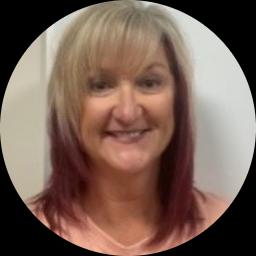
Sandra Call is a Tennessee-licensed clinical social worker (LCSW) with 10 years of professional experience. She is an Army combat veteran and brings that background into her clinical work. Her practice focuses on stress, anxiety, trauma and abuse, grief, bipolar disorder, and depression.
She often helps people who are dealing with overwhelming stress or persistent worry. She also supports those processing traumatic experiences, loss, or changes in mood. Sandra draws on her experience with veterans and first responder issues when those experiences are part of a person's concerns.
In sessions she talks through concrete symptoms and daily challenges. She pays attention to how problems show up in relationships, work, and routines. Conversations lead to practical steps clients can try between meetings.
Sandra is direct about building a plan together. She adapts the pace based on what someone can manage and how they respond. That might mean pacing work on trauma, focusing on mood and medication coordination, or developing skills for managing panic and impulsivity.
Her approach is respectful and attentive to each person's history. She supports people who are questioning life purpose or feeling directionless after major change. To start she asks about immediate concerns, recent changes, and what a workable next step would look like.
Evidence-based approaches and online care
Sandra uses evidence-based therapeutic techniques to address mood and trauma-related concerns. One common approach focuses on symptom management and coping skills for anxiety and panic; it teaches breathing, grounding, and moment-to-moment strategies to reduce intense physical and emotional reactions. Another approach emphasizes processing traumatic experiences at a manageable pace, helping people recognize how past events affect current feelings and behavior and then developing steps to reduce their hold.Finding the right way to work together is part of the process. She will collaborate with each person to choose which approaches to try first, adjust the plan as progress unfolds, and pick techniques that match the client’s goals and tolerance for change.
The biography does not list specific online session formats, so confirm current options before booking. In general, online sessions can make it easier to fit therapy into a busy life, reduce travel time, and let someone check in during a lunch break or between responsibilities. Telephone sessions can be useful when video is difficult, and brief check-ins can help keep momentum between longer sessions. Licensed professionals can adapt pacing and homework to how people use virtual meetings.
Areas of expertise
Primary focus
Additional focus areas
Experience
10+ years
Listed in
Tennessee
Languages
English
Frequently asked questions
What kinds of problems does she help with?
She works with stress, anxiety, trauma and abuse, grief, bipolar disorder, and depression, plus related concerns such as isolation, impulsivity, and communication problems.
How would she approach feeling stuck or directionless?
She focuses on concrete symptoms and daily patterns, then co-creates practical steps to try between sessions that address direction and purpose.
How much clinical experience does she have?
She has 10 years of professional work experience, including roles that involved supporting veterans and first responder issues.
What are her credentials and where is she licensed?
She holds the credential LCSW and is licensed in Tennessee as TN LCSW.
Can I work with her if I live outside the United States?
Sessions are offered in English and she is not currently accepting international clients.
What session formats are available?
The original biography does not list specific session formats; please confirm current session options before booking.
How does payment and cost work?
Cost varies with location; sessions use a subscription model that can be canceled at any time.
What is the process for starting with her?
Select the See online therapy options button, complete a short matching questionnaire, and schedule a first session to get started.
Online talk therapy is not emergency care. If you are in danger, use the crisis numbers.