- Pattern-focused work
- Direct in-session reflection
- Stress and anxiety
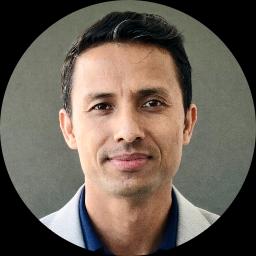
About Prakash
Prakash K C is a PACFA clinical counsellor practising in Australia with six years of experience. He focuses on patterns that repeat across situations - the responses and habits that keep showing up even when circumstances change. His main areas include stress, anxiety, relationships, family concerns, trauma and abuse, and low self-esteem.
Prakash often works with people who already understand their story but struggle to turn insight into change. He looks beyond surface events to identify what keeps things moving the same way. Sessions are direct and observant. He reflects both what clients say and how they respond in the moment to make patterns easier to see.
Conversations with Prakash aim to close the gap between knowing and doing. He names recurring dynamics and points out moments where different choices are possible. That practical focus is aimed at people who want to understand the forces shaping their behaviour, even when that work feels uncomfortable at first.
He also addresses related areas such as attachment and commitment issues, communication problems, family of origin and multicultural concerns. Immigration-related stress, isolation and workplace challenges are part of his remit as well, alongside questions about self-love and life purpose.
Prakash uses observable, evidence-based techniques to track patterns in sessions. He works in English and practises from Australia. To begin, he asks people to complete a short matching questionnaire and book an initial session through the online options.
Approaches and working online with Prakash
Prakash uses evidence-based techniques that focus on observable patterns in how people think, feel and behave. One common approach involves moment-to-moment reflection, where he names what he notices about responses and reactions during the session; this helps pinpoint repeating habits and relational dynamics that keep problems returning. Another approach emphasises linking past relational experiences to present behaviour, which can clarify attachment or family of origin issues and how they shape current choices.Finding the right method is part of the work. He discusses options with each person and together they choose what to try first. That collaborative planning helps match techniques to the client’s goals and what feels workable in day-to-day life.
If you want to use the online pathway, please confirm the current session formats before booking as they are not specified here. Online appointments can make scheduling easier and reduce travel time, and they may fit around work or family commitments. They also allow shorter check-ins when needed, or fuller sessions when there is time to go deeper. The therapist will discuss what format and rhythm suit your needs when you start the matching process.
Areas of expertise
Primary focus
Additional focus areas
Experience
6+ years
Listed in
Australia
Languages
English
Frequently asked questions
What kinds of concerns does he address?
He works with stress, anxiety, relationship and family concerns, trauma and abuse, and self-esteem. He also focuses on attachment, communication, loneliness and life purpose.
How does he approach people who feel stuck?
He looks for repeating patterns that keep producing the same outcomes. Sessions are direct and he reflects what he notices in the moment to make those patterns visible.
What is his professional background?
He has six years of clinical experience working in Australia. His practice emphasises identifying and shifting repeating emotional and behavioural patterns.
What credential does he hold and where is he based?
He is a PACFA clinical counsellor and is based in Australia.
In what languages can sessions be held?
Sessions are offered in English.
Can people outside Australia work with him?
International clients are not currently accepted.
How are sessions billed and what does it cost?
Cost varies with location and sessions use a subscription model that can be cancelled at any time.
How do I begin if I want to meet him?
Select the See online therapy options button, complete a short matching questionnaire, and schedule a first session.
Online talk therapy is not emergency care. If you are in danger, use the crisis numbers.