- EMDR integration
- Queer counseling
- Life purpose focus
About Katrina
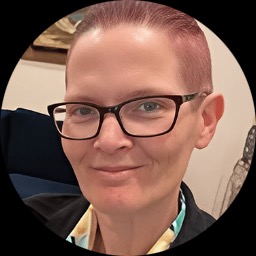
Katrina Watson is a Licensed Marriage and Family Therapist (LMFT) in California with six years of clinical experience. Katrina works with people facing stress, anxiety, depression, trauma and relationship struggles. She also lists life purpose, LGBT concerns, attachment issues and panic as areas she addresses.
Katrina uses trauma-informed approaches and integrates EMDR alongside other evidence-based techniques. Sessions focus on clear, practical steps for managing symptoms and improving communication. Katrina aims to help people understand how past experiences shape present patterns and to explore ways to change those patterns.
Her style is collaborative and down-to-earth. Katrina invites clients to speak honestly about identity, sexuality, and relationship dynamics. She can use humor when it helps to ease tension and make difficult topics easier to talk about.
In sessions she attends to guilt, shame, isolation, control struggles and forgiveness work. She also helps people who are sorting questions about life purpose, career shifts, or major life changes. Conversations commonly look at attachment and how it affects current relationships.
Katrina works in English and practices in California as an LMFT. Her six years of experience include supporting people through post-traumatic stress, panic attacks, social anxiety and issues linked to narcissistic relationships. To begin, clients are asked to complete a short matching questionnaire and schedule a first session.
How Katrina blends trauma-focused work with online sessions
EMDR is used as a way to process distressing memories and reduce their intensity. In short sessions Katrina guides clients through structured bilateral stimulation while helping them re-evaluate troubling beliefs tied to those memories. This approach is often used for post-traumatic stress, panic, and strong trauma reactions.Trauma-informed care shows up as attention to safety, pacing and consent in sessions. Katrina pays attention to how past experiences affect current behavior and works at a pace the client can manage. She also incorporates other evidence-based techniques to teach coping skills like grounding and emotion regulation for anxiety and panic.
Finding the right mix of approaches is part of the work. Katrina will collaborate with each person to decide what methods fit their needs, goals and preferences. She discusses options and adjusts plans as the work progresses so clients can see what works for them.
Session formats are not specified in the biography, so confirm current options before booking. Online sessions can make it easier to fit therapy into a busy week, reduce travel time, and allow shorter check-ins when needed. They can also let people take part without needing to be on camera for the whole time, depending on the agreed format.
Areas of expertise
Primary focus
Additional focus areas
Experience
6+ years
Listed in
California
Languages
English
Frequently asked questions
What concerns does Katrina help with?
She works with stress, anxiety, depression, trauma and relationship difficulties, and also lists life purpose, LGBT issues, panic, and attachment concerns.
How would she approach feeling stuck or directionless?
Her approach is collaborative and trauma-informed, using EMDR alongside other evidence-based techniques to clarify patterns and explore next steps.
How much clinical experience does Katrina have?
She has six years of experience working with people on trauma, anxiety, relationships and related issues.
What credential and location are listed for Katrina?
She is an LMFT practicing in California.
Which languages are sessions offered in?
Sessions are offered in English.
Can international clients work with Katrina?
International clients are not currently accepted.
How are sessions billed or priced?
Cost varies with location and sessions use a subscription model that can be canceled at any time.
What are the steps to start working together?
Choose the See online therapy options button, complete a short matching questionnaire, and schedule a first session.
Online talk therapy is not emergency care. If you are in danger, use the crisis numbers.