- Attachment-based
- Cognitive behavioral
- Narrative therapy
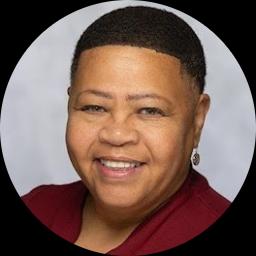
About Jean
Dr. Jean Hall is an LCSW licensed in Arkansas with 30 years of professional experience. She works with adults on relationship concerns, trauma and abuse, self-esteem, career questions, and depression. She also addresses issues like abandonment, adoption and foster care questions, domestic violence, and life purpose.
Her sessions focus on clear conversation and practical steps. She listens to what matters most and helps people name patterns that get in the way. She uses straightforward methods to help people make small changes and test new ways of thinking and relating.
Dr. Hall draws on attachment-based ideas to look at how early relationships affect present bonds. She uses cognitive behavioral techniques to identify unhelpful thoughts and replace them with actions that lead to different results. Narrative work is part of her practice too, helping people reframe the stories they tell about themselves.
She pays attention to cultural and veteran-related concerns and to experiences of prejudice and discrimination. Common themes she addresses include guilt, shame, forgiveness, isolation, workplace stress, and issues that affect young adults and women.
Practical steps are central to her approach. Clients can expect to talk through specific problems, set small goals, and try concrete strategies between sessions. She invites clients to assess what helps and to adjust the work as needed.
How Jean Hall uses psychotherapy methods online
Dr. Hall uses attachment-focused ideas to look at how early relationships shape current bonds. This approach helps when relational patterns or trust issues repeat in adult relationships.She also uses cognitive behavioral techniques to help people identify unhelpful thoughts and test different responses. That work is directed at problems like low mood, anxiety, or workplace stress where changing thought-action patterns can make daily life easier.
Finding the right approach is part of the work. She will collaborate with each person to choose which methods fit their needs, goals, and preferences. That may mean trying a few different techniques early on and adjusting based on what helps most.
Confirm current session options before booking since formats are not specified in the biography. Online sessions can make it easier to fit therapy into a busy week and reduce travel time. They can also allow for shorter check-ins when schedules are tight, or conversations without needing to be on camera if that helps someone focus. Licensed professionals can adapt the pace and homework to suit day-to-day life.
Areas of expertise
Primary focus
Additional focus areas
Therapeutic approaches
Experience
30+ years
Listed in
Arkansas, Missouri
Languages
English
Frequently asked questions
What concerns does she work with?
She helps people with relationship problems, trauma and abuse, low self-esteem, career questions, and depression. Additional areas include abandonment, domestic violence, and life purpose.
How does she approach someone feeling stuck?
She combines clear conversation with practical steps, helping clients name patterns and try small changes. The work often includes setting short-term goals and testing new behaviors between sessions.
What is her clinical background?
She has 30 years of professional work experience and has used a blend of attachment-based, cognitive behavioral, narrative, psychodynamic, and solution-focused approaches.
What are her credentials and where does she practice?
She is an LCSW with Arkansas LCSW and Missouri LCSW credentials and practices from Missouri.
Can sessions be held in languages other than English?
Sessions are offered in English.
Does she work with international clients?
She does accept international clients.
How much do sessions cost?
Cost varies with location and sessions use a subscription that can be canceled at any time.
How do I begin working with her?
Select the See online therapy options button, complete a short matching questionnaire, and schedule a first session.
Online talk therapy is not emergency care. If you are in danger, use the crisis numbers.