- Client-centered care
- Cognitive behavioral tools
- EMDR for trauma
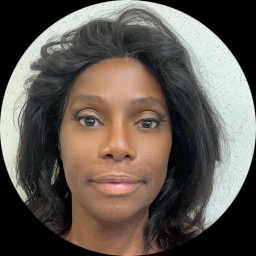
About Dorothy
Dorothy Frazier is a New York LCSW-R with 30 years of clinical experience. She trained at Columbia University and completed postgraduate work at other institutes. Her practice focuses on stress, anxiety, addictions, relationship concerns, and trauma and abuse, and she also offers coaching around life purpose.
She has researched trauma both in the United States and abroad. Her work history includes inpatient psychiatric settings, employee assistance programs, prison systems, and outpatient care. She has provided services to professional athletes and has lectured on trauma, addiction, and how trauma shows up across different groups.
In sessions she draws on client-centered methods alongside cognitive behavioral techniques and EMDR. That means conversations start with what feels most pressing to the person, and then move toward practical strategies and focused processing for traumatic memories when appropriate. Sessions tend to balance talk with structured tools.
Dorothy has supervised other clinicians and taught as an adjunct professor. She has also contributed to trauma research and co-authored publications on the topic. Her background brings clinical, academic, and applied perspectives to the work.
People come to her for help with communication problems, control issues, divorce and separation, guilt and shame, hoarding, immigration challenges, infidelity, intellectual disability concerns, isolation, panic attacks, post-traumatic stress, self-love, social anxiety, and questions about life purpose. She works with each person to identify clear next steps and practical strategies that fit their situation.
How her approaches translate to online work
Client-centered therapy focuses on the person's priorities and perspective. In practice this means the therapist listens closely, reflects what she hears, and helps the person name goals they want to work on. This approach is useful for people who feel uncertain about next steps and need help clarifying values and priorities.Cognitive behavioral therapy, or CBT, uses practical tools to change unhelpful thinking and behavior patterns. Sessions include skill building, short exercises, and homework to try between meetings. CBT is commonly used for anxiety, panic, and problems with avoidance or unhelpful routines.
Eye Movement Desensitization and Reprocessing, EMDR, is a structured method some therapists use to help people process distressing memories. It involves focused attention on specific memories alongside guided stimulation, and can be applied when trauma memories are a clear part of the problem.
Deciding which approach to use is collaborative. The therapist will review the person's history, current concerns, and goals, then recommend options and adjust based on what works. Clients often try a mix of conversational work and more structured techniques.
The original biography does not list specific session formats, so confirm the available online options before booking. Online sessions can make it easier to fit meetings into a workday, reduce travel time, and allow shorter check-ins when that is helpful.
Areas of expertise
Primary focus
Additional focus areas
Therapeutic approaches
Experience
30+ years
Listed in
New York
Languages
English
Frequently asked questions
What kinds of problems does she work with?
She works with stress, anxiety, addictions, relationship concerns, trauma and abuse, and coaching around life purpose. Additional focus areas include panic attacks, post-traumatic stress, social anxiety, and isolation.
How does she approach feeling stuck or directionless?
Her approach starts with client-centered conversations to clarify what matters most. She then uses cognitive behavioral techniques and EMDR when appropriate to develop practical steps and process difficult memories.
How much experience does she bring?
She has 30 years of professional experience across clinical, teaching, and research roles, including work in inpatient, outpatient, and institutional settings.
What are her credentials and where is she based?
She is an LCSW-R licensed in New York and practices out of New York.
Are sessions offered in other languages or internationally?
Sessions are offered in English and she accepts international clients.
What session formats does she use?
The biography does not list specific session formats. Please confirm current session options before booking.
How are costs handled?
Cost varies by location and sessions use a subscription that can be canceled at any time.
How do I begin working with her?
Begin by selecting the See online therapy options button, completing a short matching questionnaire, and scheduling a first session.
Online talk therapy is not emergency care. If you are in danger, use the crisis numbers.