- CBT methods
- Trauma-focused work
- Neuropsychology perspective
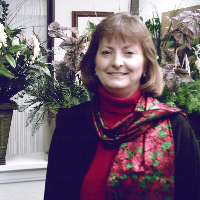
About Rebecca
Dr. Rebecca Thompson is a California licensed clinical psychologist (CA Psychologist 20610) with 25 years of practice. She works with adults on issues such as stress, anxiety, trauma and abuse, grief, sleep problems, attention differences, and changes in work or relationships. Sessions address practical problems and life purpose concerns that arise after major changes or upsetting events.
Her background is in neuropsychology, and she uses that perspective to link thinking, feeling, and behavior in clear terms. She listens to each person’s experience and offers ideas grounded in what she has observed about the brain and behavior. That viewpoint helps when symptoms involve attention, memory, or reaction to injury or trauma.
In session she offers straightforward guidance and collaborative planning. She explains options, suggests steps to try, and helps people set realistic goals they can measure. She does not do the work for clients but supports them as they test new strategies and notice what changes.
Her approaches include Cognitive Behavioral Therapy and Trauma-Focused Therapy, which she uses to address symptoms like panic, post-traumatic stress, and ongoing anxiety. She also supports people dealing with chronic pain, illness, and recovery after brain injury.
People who come to her for help often need structure around coping and clear tools for everyday problems. She draws on clinical experience and life experience to make suggestions that fit normal routines. Those wanting practical, evidence-informed work on stress, purpose, or recovery may find this approach useful.
How Rebecca Thompson uses CBT and trauma-focused work online
Dr. Thompson uses Cognitive Behavioral Therapy to identify unhelpful thoughts and habits, then test new responses in daily life. CBT breaks problems into practical steps, which can help with anxiety, panic, sleep problems, and low mood.She also draws on Trauma-Focused Therapy to address reactions after abuse, injury, or other traumatic events. That work focuses on reducing the impact of traumatic memories and strengthening coping skills for triggers and flashbacks.
Choosing the right approach is part of therapy. She will discuss your goals and preferences, and together decide whether CBT, trauma-focused methods, or a mix fits best. That collaborative process helps shape practical exercises and pacing.
The biography does not list specific online session formats, so confirm current options before booking. In general, online sessions can make it easier to fit therapy into a busy day, allow for shorter check-ins when needed, and reduce travel time. Phone or lower-bandwidth options can be helpful when video would be difficult, while video sessions let the therapist and client use visual cues during skills practice.
Areas of expertise
Also works with
Additional focus areas
Therapeutic approaches
Experience
25+ years
Listed in
California
Languages
English
Frequently asked questions
What kinds of problems does she help with?
She works with stress, anxiety, trauma and abuse, grief, sleep issues, ADHD, depression, anger, self-esteem, and concerns about life purpose and career.
How does she approach feeling stuck or directionless?
She listens and links thinking, feeling, and behavior using practical steps. She helps people set measurable goals and tries strategies in everyday life.
How much clinical experience does she have?
She has 25 years of experience, including a background in neuropsychology and clinical work with trauma and brain injury.
What credential does she hold and where is she based?
She is a California psychologist, listed as CA Psychologist 20610, and practices from California.
Does she work in other languages or with international clients?
Sessions are offered in English and she accepts international clients.
What session formats are used?
The original biography did not list specific session formats; please confirm current session options before booking.
How are costs handled?
Cost varies with location; sessions use a subscription that can be canceled at any time.
How do I begin working with her?
Select the See online therapy options button, complete a short matching questionnaire, and schedule a first session.
Online talk therapy is not emergency care. If you are in danger, use the crisis numbers.