- Stress and anxiety
- Communication skills
- Life purpose focus
About Candace
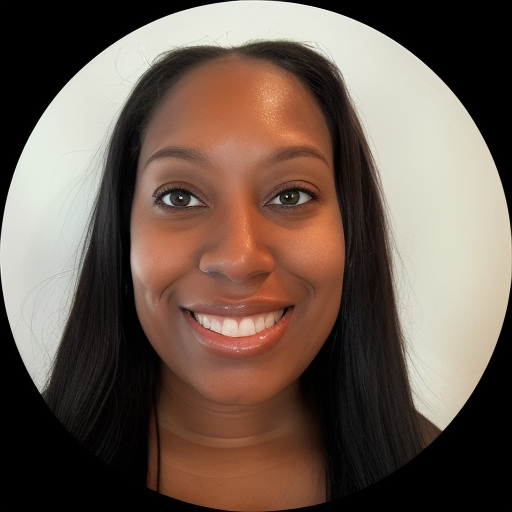
Candace Clyburn- Gamble is a Licensed Clinical Mental Health Counselor (LCMHC) in North Carolina with seven years of experience. She focuses on stress, anxiety, depression, relationship and family concerns, and coping with life changes. She also works with people facing social anxiety, communication problems, guilt and shame, isolation, and questions about life purpose.
Candace helps people notice patterns that keep them stuck and then try small changes that feel manageable. Sessions are practical and conversational. She uses evidence-based techniques to address emotional reactions and everyday habits.
Her approach is collaborative. She and the client set goals together and test what works over time. She pays attention to how cultural background shapes feelings and choices without assuming one path fits everyone.
Candace often focuses on communication skills when relationship issues are present. She also supports people learning to reduce self-criticism and practice self-respect. Work in sessions can include role practice, concrete coping steps, and reflection on values.
Clients bring worries about the future, recent life changes, or a sense of being stuck. Candace aims to help people clarify what matters to them and take steady steps toward those aims. She asks specific questions, offers observations, and adjusts plans based on what the client reports.
Therapeutic approaches and working online
Candace draws from evidence-based therapeutic techniques that focus on changing unhelpful thoughts and behaviors and on improving how people relate to themselves and others. One common approach involves identifying upsetting thoughts and testing them with small behavioral experiments to reduce anxiety and increase confidence. Another thread emphasizes skill-building for communication and interpersonal situations, using role practice and specific feedback to improve real-world interactions.Choosing the right approach is part of the work. Candace will collaborate with each person to figure out which techniques fit their concerns, goals, and preferences. She checks in regularly and adjusts methods when something is not helping.
Session formats are not specified in the biography, so confirm current online options before booking. Online sessions can make it easier to fit therapy into a busy week, allow for shorter check-ins when schedules demand, and remove travel time so a session can occur between other commitments. These practical benefits can help therapy fit into everyday life without requiring major schedule changes.
Areas of expertise
Primary focus
Additional focus areas
Experience
7+ years
Listed in
North Carolina
Languages
English
Frequently asked questions
What kinds of concerns does she support?
She supports stress, anxiety, depression, relationship and family issues, and coping with life changes. Additional focus areas include communication problems, forgiveness, guilt and shame, isolation, life purpose, self-love, and social anxiety.
How does she approach feeling stuck or directionless?
She uses practical, evidence-based techniques and a collaborative style. Sessions focus on identifying patterns, setting small goals, and testing strategies that fit the client's day-to-day life.
How much clinical experience does she have?
Candace has seven years of experience working with people facing anxiety, depression, relationship strain, and life transitions.
What credential does she hold and where is she based?
She is an LCMHC, which stands for Licensed Clinical Mental Health Counselor, licensed in North Carolina.
Which languages are supported in sessions?
Sessions are offered in English.
Can people from other countries work with her?
She does not accept international clients at this time.
How are sessions charged?
Cost varies with location and sessions use a subscription model that can be canceled at any time.
How do I begin working with her?
Select the See online therapy options button, complete a short matching questionnaire, and schedule a first session.
Online talk therapy is not emergency care. If you are in danger, use the crisis numbers.