- CBT methods
- Solution-focused work
- Trauma-informed ideas
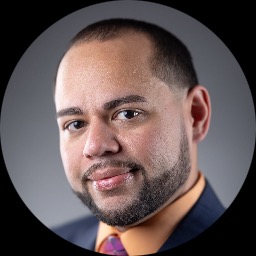
About Wilfredo
Wilfredo Guzman is a Licensed Mental Health Counselor (LMHC) in Florida with four years of clinical experience. He works with adults on stress, anxiety, depression, self-esteem, trauma and LGBT-related concerns, and he lists life purpose among his focus areas. He uses practical, evidence-based methods to help people readjust after big changes.
He trained at Rollins College where he earned a Master of Arts in Clinical Mental Health Counseling and holds a Bachelor of Science in Psychology from the University of Central Florida. His background includes work with at-risk youth, people experiencing homelessness, and those living with HIV. This range of experience informs how he approaches safety, coping, and everyday challenges.
In sessions he aims to build a direct working connection and to help people identify clear steps forward. He draws on Cognitive Behavioral Therapy and Solution-Focused Therapy to map patterns of thought and to try concrete changes. Motivational Interviewing is used to help clients find their own reasons to change.
Wilfredo also brings trauma-focused ideas into work when past harm is part of the problem. That means attending to how traumatic events affect mood, trust, and daily functioning, then working on manageable strategies to reduce their grip. He emphasizes collaboration when deciding which approaches to use.
Outside of clinical work he spends time near bodies of water and in community social settings. He encourages people feeling directionless after life changes to ask about how short-term practical goals might be combined with deeper exploration of life purpose.
How therapeutic approaches are used in online sessions
Client-Centered Therapy focuses on listening and understanding what matters most to the client. The therapist responds to the person's experience and prioritizes the client's goals and perspective. Cognitive Behavioral Therapy (CBT) looks at thoughts and behaviors that keep problems going and uses exercises and experiments to try different responses. Trauma-Focused Therapy pays attention to how past harm affects current mood and behavior and introduces gradual strategies to reduce those effects.Choosing the right approach is part of the work. The therapist will review goals and preferences with the client and suggest which methods to try first. Decisions are made together and can change as progress is tracked.
Session formats are not specified in the biography, so confirm current options before booking. Online sessions can make it easier to fit counseling into a busy week, allow shorter check-ins when needed, and reduce travel time. Licensed professionals can use these formats to help people work on stress, life purpose, anxiety, trauma-related concerns, and practical problem-solving.
Areas of expertise
Additional focus areas
Therapeutic approaches
Experience
4+ years
Listed in
Florida
Languages
English
Frequently asked questions
What kinds of problems does he help with?
He works with stress, anxiety, depression, self-esteem concerns, trauma and LGBT-related issues, and lists life purpose as a focus area.
How does he approach feeling stuck or directionless?
He uses a collaborative style that combines Client-Centered listening with practical methods like Cognitive Behavioral Therapy and Solution-Focused Therapy to identify concrete next steps.
What is his clinical background?
He holds a Master of Arts in Clinical Mental Health Counseling from Rollins College and has about four years of professional experience working with diverse populations.
Where is he licensed and based?
He is an LMHC licensed in Florida and practices from that state.
Which languages are sessions offered in?
Sessions are offered in English only.
Can people outside the United States work with him?
He does not accept international clients at this time.
How are sessions paid for and priced?
Cost varies with location; sessions use a subscription that can be canceled at any time.
How do I begin if I want to schedule?
Select the See online therapy options button, complete a short matching questionnaire, and schedule a first session.
Online talk therapy is not emergency care. If you are in danger, use the crisis numbers.