- Stress and anxiety
- Family and parenting
- Divorce and separation
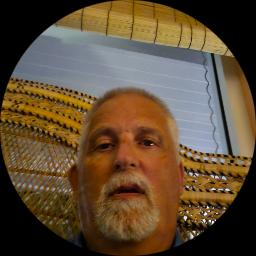
About Todd
Todd Siegel, LCSW, is a licensed clinical social worker in Illinois with 27 years of experience. He focuses on stress, anxiety, depression, family concerns, parenting challenges, and coping with life changes. He also helps people facing divorce or separation, loneliness, money and financial worries, panic attacks, and questions about life purpose.
Todd works in a straightforward, collaborative way. Sessions look at what is happening now and what practical steps can help. He talks through communication patterns, everyday coping strategies, and ways to reduce overwhelming feelings. Parents can expect concrete ideas for managing behavior, routines, and the strain that parenting can bring.
He draws on decades of clinical work to offer clear feedback and tools. That can include ways to recognize and interrupt unhelpful thought patterns and to practice different ways of responding in difficult moments. The emphasis is on skills people can use between sessions.
Todd describes his style as patient-centered and collaborative. He aims to help people clarify priorities after major changes in work, relationships, or health. People often come when they feel stuck or unsure what matters next.
For practical arrangements, sessions use a subscription model that can be canceled at any time. Prospective clients are asked to complete a short matching questionnaire and schedule a first session through the online therapy options button. Confirm current session formats before booking.
Approaches and online session practice
Todd works with evidence-based therapeutic techniques that focus on practical change. One commonly used approach addresses thinking patterns and how they affect mood and behavior; it helps people notice unhelpful thoughts and practice different responses to reduce anxiety and low mood. Another approach centers on behavioral skills and routine changes to manage stress and panic symptoms, using step-by-step exercises and graded exposure to difficult situations.Finding the right approach is part of the work. He will discuss the options with each person and agree on what to try first based on goals, needs, and personal preferences. That collaborative planning can include combining techniques as progress or challenges emerge.
The biography does not list specific online formats, so confirm available session types before booking. Online sessions can make it easier to fit therapy into a busy week, allow shorter check-ins when needed, and remove travel time. They also let people practice skills in the settings where they live and work, and make follow-up meetings simpler after major life changes.
Areas of expertise
Primary focus
Additional focus areas
Experience
27+ years
Listed in
Illinois
Languages
English
Frequently asked questions
What concerns does he address?
He works with stress, anxiety, depression, family and parenting worries, and coping with life changes. Additional focuses include divorce and separation, loneliness, money issues, panic attacks, and life purpose.
How does he approach feeling stuck?
He uses a collaborative, patient-centered style that focuses on practical steps. Sessions emphasize identifying patterns and practicing skills between meetings.
How much clinical experience does he have?
He brings 27 years of professional experience working with adults on interpersonal and life-transition issues.
What are his credentials and location?
He is an LCSW licensed in Illinois. His practice is based in Illinois.
Which languages are supported?
Sessions are offered in English only. International clients are not currently accepted.
What session formats are offered?
The original biography does not specify session formats. Please confirm current session options before booking.
How is cost handled?
Sessions use a subscription that can be canceled at any time and cost varies with location.
How do I get started?
Select the See online therapy options button, complete a short matching questionnaire, and schedule a first session.
Online talk therapy is not emergency care. If you are in danger, use the crisis numbers.