- Client-centered techniques
- Cognitive behavioral work
- Mindfulness practices
About Te'Ron
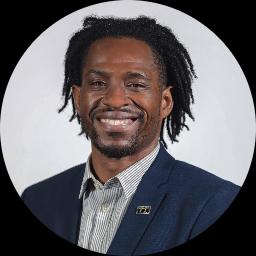
Te'Ron Simmons is a Licensed Professional Counselor (LPC) practicing in Texas with three years of clinical experience. He works with adults facing stress, anxiety, depression, low self-esteem, anger, and issues related to sexual orientation. He also lists life purpose and several related concerns as focus areas.
Te'Ron uses a client-centered approach alongside techniques from cognitive behavioral therapy and mindfulness. Sessions tend to be collaborative and practical. He encourages clients to take an active role and to work on skills between meetings.
In sessions he listens for patterns that keep people stuck. He helps identify unhelpful thoughts and tests them against real-life results. He also introduces mindful practices to reduce intensity and improve moment-to-moment awareness.
He addresses issues such as guilt, shame, forgiveness, impulsivity, and problems common in midlife and young adulthood. He describes helping men with concerns tied to identity and transitions. Conversations include concrete steps for behavior change and managing burnout.
Te'Ron frames goals with each person and adapts techniques to those goals. He uses elements of motivational interviewing and narrative approaches to help people clarify what matters next. People who are wondering about career direction, relationships, or a clearer sense of purpose may find this practical focus useful.
Sessions are conducted in English and follow Texas LPC standards. Prospective clients should confirm current session options and scheduling details before booking.
How his approaches translate to online work
Te'Ron commonly uses client-centered therapy and cognitive behavioral therapy in his work. Client-centered therapy focuses on active listening and working from the client's goals, which helps people who need a chance to talk through choices and values. Cognitive behavioral therapy looks at thought patterns and behaviors and tests practical changes to reduce anxiety or depressive symptoms.He also draws on mindfulness techniques to help manage stress in the moment. Mindfulness involves simple attention practices and grounding skills that can lower emotional reactivity and make it easier to try new behaviors. These approaches are useful for concerns like burnout, low motivation, and confusion about next steps.
Finding the right mix of techniques is part of the process. He works collaboratively to decide which methods fit a person's goals and preferences, adjusting plans as progress is made. That way the work stays focused and relevant to daily life.
Confirm current session formats before booking so you know what is available. Online work can make it easier to fit sessions into a busy week, shorten check-ins, and practice skills between meetings. Ask about scheduling and format options when you complete the initial questionnaire.
Areas of expertise
Primary focus
Additional focus areas
Therapeutic approaches
Experience
3+ years
Listed in
Texas
Languages
English
Frequently asked questions
What concerns does he commonly address?
He works with stress, anxiety, depression, self-esteem and anger, and lists life purpose among his focus areas.
How would he approach feeling stuck?
He uses a client-centered style with cognitive behavioral and mindfulness techniques to identify patterns and try concrete changes.
What experience does he have?
He has three years of experience practicing as a counselor in Texas.
What are his credentials and location?
He is a Licensed Professional Counselor (LPC) practicing in Texas, United States.
Which languages are sessions offered in?
Sessions are offered in English.
Can international clients work with him?
He does not accept international clients at this time.
How much do sessions cost?
Cost varies with location and sessions use a subscription that can be canceled at any time.
How do I begin the process?
Select the See online therapy options button, complete a short matching questionnaire, and then schedule your first session.
Online talk therapy is not emergency care. If you are in danger, use the crisis numbers.