- Life purpose
- Stress and anxiety
- Mindfulness and ACT
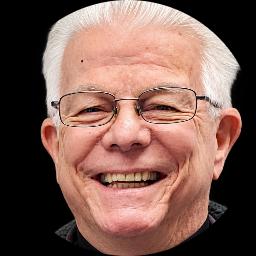
About Richard
Richard Broach is a Licensed Professional Counselor (LPC) in Wisconsin with 25 years of experience. He works with people dealing with stress, anxiety, trauma and abuse, grief, low self-esteem, depression, LGBT concerns, and coping with life changes, including issues tied to aging, immigration, gender dysphoria, and end-of-life care.
Richard favors a practical way of working. He likens personal problems to pieces of a jigsaw puzzle that need to be laid out and examined. That means looking at what is happening now, past experiences, work and relationship stresses, and any traumatic events to see how they connect.
He encourages people to attend to basic lifestyle elements he calls SANE - Sleep, Activities, Nutrition, and Exercise - because research ties those areas to emotional and physical well-being. He models these habits in his own life and discusses how small changes in routine can affect mood and energy.
In sessions he uses approaches such as Acceptance and Commitment Therapy, Client-Centered Therapy, Cognitive Behavioral Therapy, Emotionally-Focused Therapy, and Mindfulness Therapy. Those methods show up as practical conversations, skill practice, and mindful awareness exercises rather than abstract theory.
Richard values straightforward, heartfelt conversation as a way for people to notice their strengths and make choices that matter. He also works with multicultural and prejudice-related concerns and process addictions like gambling or exercise where they are relevant.
Sessions are offered in English and Spanish. Prospective clients are asked to confirm current session options before booking.
How Richard brings therapy approaches into online work
Acceptance and Commitment Therapy (ACT) focuses on helping people notice their thoughts and values, then take actions that matter to them despite difficult feelings. It is often useful for stress, anxiety, and questions about meaning or life purpose.Client-Centered Therapy emphasizes listening and creating space for people to speak about what matters to them. In practice this looks like reflective conversation and helping people identify their own priorities and strengths.
Cognitive Behavioral Therapy (CBT) looks at the links between thoughts, feelings, and behaviors and teaches concrete exercises to test and change unhelpful patterns. It can help with anxiety, depression, and coping strategies for life changes.
Finding the right approach is part of the work. He will collaborate with each person to decide which methods fit their needs, goals, and preferences. That choice is revisited over time as needs change.
Confirm the session formats offered before booking. When scheduling, consider how online sessions can fit into everyday life - they can make it easier to fit a brief check-in during a work break, avoid travel time, or choose a session that does not require being on camera. These practical advantages can make consistent work on stress, grief, or life-purpose questions easier to maintain.
Areas of expertise
Also works with
Additional focus areas
Therapeutic approaches
Experience
25+ years
Listed in
Wisconsin
Languages
English, Spanish
Frequently asked questions
What kinds of problems does he help with?
He works with stress, anxiety, trauma and abuse, grief, low self-esteem, depression, LGBT concerns, and coping with life changes. Additional focus areas include aging, gender dysphoria, hospice and end-of-life counseling, immigration concerns, and process addictions.
How does he approach someone feeling stuck?
He lays out the different pieces of a person's life like a puzzle and looks for connections between past experiences, current stresses, work, and relationships. Sessions combine discussion, skills practice, and mindful awareness.
What experience does he bring?
He has 25 years of experience in counseling fields and has worked with a wide range of life transitions and emotional concerns.
What are his credentials and where is he based?
He is a Licensed Professional Counselor (LPC) licensed in Wisconsin and practices from that state.
Can I work with him in my language?
Sessions are offered in English and Spanish.
Does he accept clients from other countries?
He does not accept international clients at this time.
How are sessions paid for and what do they cost?
Cost varies with location and sessions use a subscription that can be canceled at any time.
How do I begin working with him?
Use the See online therapy options button, complete the short matching questionnaire, and schedule a first session.
Online talk therapy is not emergency care. If you are in danger, use the crisis numbers.