- Stress and anxiety
- Addictions support
- Workplace issues
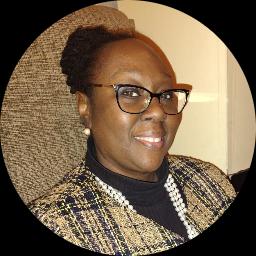
About Tahira
Tahira Lodge is a Licensed Mental Health Counselor (LMHC) in Massachusetts with 25 years of clinical experience. She works with people coping with stress, anxiety, addictions, anger, depression, and LGBT-related concerns. She also focuses on life purpose, mood disorders, self-love, social anxiety and phobia, and workplace issues.
She uses straightforward, evidence-based methods and works collaboratively with each person. Sessions are conversational and practical. Tahira listens for what matters most and helps identify small, concrete steps forward.
Her approach draws on Cognitive Behavioral Therapy, Solution-Focused techniques, and Motivational Interviewing alongside patient-centered and trauma-informed practices. In session she helps people notice unhelpful thinking patterns, test different responses, and set achievable goals. She also pays attention to past experiences that affect how people cope now.
People often come to her unsure what to do next after a job change, relationship shift, or health event. She helps clarify priorities, weigh options, and build routines that fit day-to-day life. Conversations can include skills for managing anxiety, strategies for handling workplace stress, or ways to reduce substance use.
Tahira asks practical questions about each person’s situation and adapts the work as progress is seen. She encourages short experiments between sessions and reviews what works. The focus is on steady, manageable change rather than quick fixes.
How her approaches translate to online work
Many of her methods are goal-oriented and translate well to remote sessions. Cognitive Behavioral Therapy focuses on identifying and changing unhelpful thoughts and behaviors; it often involves structured exercises and between-session practice to reduce anxiety or depressive symptoms. Solution-Focused techniques concentrate on small, concrete changes and on what a person wants to see happen next; these approaches help when someone is uncertain about direction or life purpose.Finding the right mix of techniques is part of the work. She will collaborate with each person to choose approaches that match their situation, goals, and preferences. That collaborative process includes reviewing what helps and adjusting methods as needed.
The biography does not specify which online session formats are offered, so confirm the current options before booking. In general, remote sessions can make it easier to fit therapy around work, appointments, or caregiving by removing travel time. They also allow for shorter check-ins when needed, reduce the need to be on camera for every appointment, and make it simpler to keep continuity during life transitions.
Areas of expertise
Primary focus
Additional focus areas
Experience
25+ years
Listed in
Massachusetts
Languages
English
Frequently asked questions
What kinds of problems does she help with?
She works with stress, anxiety, addictions, anger, depression, and LGBT-related concerns. Additional focuses include life purpose, mood disorders, self-love, social anxiety and phobia, and workplace issues.
What is her therapeutic style?
She uses evidence-based techniques in a practical, collaborative way. Sessions focus on noticing patterns, setting goals, and trying small changes between meetings.
How long has she been practicing?
She has 25 years of experience as a clinician working with adults on a range of emotional and behavioral concerns.
What are her credentials and where is she based?
She holds the MA LMHC credential and practices in Massachusetts.
Can I work with her if I live outside the United States?
She does not accept international clients. Sessions are offered in English.
Which session formats does she offer?
The biography does not list specific session formats. Please confirm current session options before booking.
How are sessions priced?
Cost varies with location. Sessions use a subscription that can be canceled at any time.
How do I begin working with her?
Select the See online therapy options button, complete the short matching questionnaire, and schedule a first session.
Online talk therapy is not emergency care. If you are in danger, use the crisis numbers.