- ACT influenced methods
- CBT tools
- Mindfulness practice
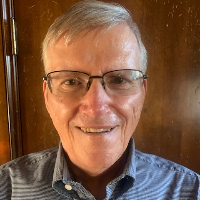
About Myron
Myron Dianiska is a Licensed Professional Counselor (LPC) and Licensed Psychological Associate (LPA) with 50 years of experience working in Texas. He helps people who are dealing with stress, anxiety, depression, self-esteem struggles, addiction, and questions about life purpose. He also addresses relationship and family concerns, parenting strain, anger, sleep problems, and workplace issues.
His style is practical and direct. Sessions focus on setting concrete goals and trying specific tools. He uses well-known methods such as cognitive behavioral techniques and mindfulness to tackle symptoms and habits. He also brings Acceptance and Commitment Therapy ideas and a client-centered stance to conversations.
Myron often works with men and young adults facing transitions. He also supports people managing mood disorders, obsessive-compulsive patterns, panic, phobias, and post-traumatic stress. Addictions and process-related concerns like gambling, exercise or pornography behaviors are within his scope as well.
In sessions he prioritizes clear, doable steps. That might mean learning new ways to notice thoughts, practicing brief exercises, or deciding on actions that align with what matters to the client. He emphasizes collaboration and reviews progress regularly.
Myron is based in Texas and conducts work in English. His decades of practice give him a broad range of clinical experience to draw on when helping people who feel stuck after a life change.
How his approaches translate to online work
Acceptance and Commitment Therapy (ACT) focuses on noticing thoughts and values, then choosing actions that align with what matters. It can help with moving past avoidance and making decisions when values feel unclear. Cognitive Behavioral Therapy (CBT) looks at thoughts and behaviors and teaches practical skills to reduce symptoms like anxiety and panic. It often involves short exercises and behavioral experiments between sessions. Mindfulness Therapy trains simple attention skills to reduce reactivity and improve sleep and stress management.Finding the right approach is part of the work. The therapist will talk with the client about goals, preferences, and which methods feel most useful. They will try approaches in collaboration and adjust plans based on what is working in practice.
Confirm the current online session options before booking, since specific formats are not listed in the biography. Online work can make it easier to fit sessions into a busy week and reduce travel time. It can also allow brief check-ins or quieter, lower-bandwidth sessions when needed. Ask about format choices when scheduling so sessions can be arranged to fit daily life.
Areas of expertise
Primary focus
Also works with
Additional focus areas
Therapeutic approaches
Experience
50+ years
Listed in
Texas, New Jersey, New Mexico
Languages
English
Frequently asked questions
What concerns does he address related to purpose or direction?
He works with people facing life purpose questions along with career, transitions, and meaning after change.
How does he approach someone who feels stuck?
He uses practical steps, collaborative goal-setting, and techniques from cognitive behavioral and acceptance-based work to test what helps.
What does his background look like?
He has 50 years of professional experience and has worked across several states before practicing in Texas.
What are his credentials and where is he located?
He holds LPC and LPA credentials and practices in Texas.
Does he offer sessions in other languages or to international clients?
Sessions are offered in English and he does not accept international clients currently.
What session formats are available?
Please confirm current session options before booking, as the biography does not list specific formats.
How much do sessions cost?
Cost varies with location and sessions use a subscription that can be canceled at any time.
How do I begin working with him?
Use the See online therapy options button, complete a short matching questionnaire, and schedule a first session.
Online talk therapy is not emergency care. If you are in danger, use the crisis numbers.