- Life purpose focus
- Anxiety and panic
- Drug and alcohol addiction
About Kay
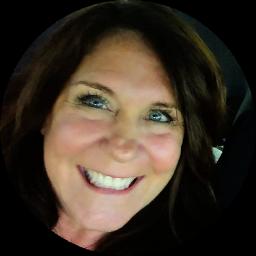
Kay Carsto is a Licensed Mental Health Counselor (LMHC) in Florida with 26 years of professional experience. She works with people facing stress, anxiety, addictions, LGBTQ issues, intimacy difficulties, and depression. Kay helps clients who are feeling stuck after life changes and those trying to find more purpose and direction.
Her approach is straightforward and client-centered. Sessions focus on talking through what matters now and identifying small, practical steps. She listens for patterns such as codependency, dissociation, or repeating relationship problems, and helps people name and change them.
Kay brings long experience with drug and alcohol addiction and with mood and panic disorders. She also supports people navigating gender dysphoria, non-monogamous relationships, sexual concerns, and social anxiety. Conversations are plain and focused on what the person wants to change next.
In sessions Kay works to reduce overwhelm by breaking goals into clear actions. She discusses coping strategies for panic attacks, boundaries in intimate relationships, and ways to address loneliness or feelings of emptiness. Her aim is to help clients practice concrete moves between sessions.
People who choose Kay can expect steady, practical work on life direction and current problems. She asks about present routines, what gets in the way of change, and what small experiments a client might try. This creates a clear plan for the next steps toward a more directed life.
How evidence-based methods are used online
Kay describes her work as grounded in evidence-based therapeutic techniques that focus on practical change. One common approach helps people identify unhelpful thinking and behavior patterns, then replace them with clearer, more workable actions. This method can help with anxiety, panic attacks, and mood problems.Another frequently used approach focuses on coping skills for addiction and urges. It teaches concrete strategies to reduce substance use and manage cravings, and supports building routines that lessen relapse risk. These techniques are useful for people dealing with drug and alcohol addiction and related behaviors like codependency.
Finding the right approach is part of therapy. Kay works collaboratively to match methods to a person's goals, needs, and preferences. She reviews what has and hasn’t worked before and adjusts plans over time so sessions stay practical and focused.
Confirm the current session options before booking, as formats are not specified in the biography. Online work can make it easier to fit sessions into a busy life, reduce travel time, and allow shorter check-ins when schedules demand. Ask about the specific session formats offered when you complete the matching questionnaire so you can pick what fits your routine.
Areas of expertise
Additional focus areas
Experience
26+ years
Listed in
Florida
Languages
English
Frequently asked questions
What kinds of concerns does she address?
She works with stress, anxiety, addictions, LGBTQ matters, intimacy issues, and depression, plus related areas such as codependency, dissociation, and life purpose.
How does she approach feeling stuck or directionless?
Her style is practical and conversational. She helps people break down goals into manageable steps and tries small experiments between sessions.
How much experience does she have?
She has 26 years of professional work experience as a counselor in Florida.
What are her credentials and where does she practice?
She is an LMHC licensed in Florida and bases her practice in that state.
Which languages are supported in sessions?
Sessions are offered in English.
Can people from other countries work with her?
She does not accept international clients at this time.
How are fees handled?
Cost varies with location; sessions use a subscription that can be canceled at any time.
How do I begin the process?
Select the See online therapy options button, complete a short matching questionnaire, and schedule a first session.
Online talk therapy is not emergency care. If you are in danger, use the crisis numbers.