- Trauma and abuse
- Guilt and shame
- Faith-informed care
About Hope
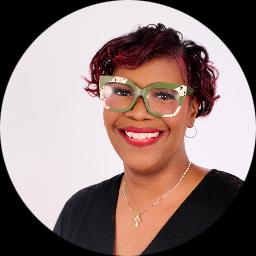
Hope Lumpkin is a Licensed Clinical Social Worker (LCSW) practicing in Connecticut with four years of clinical experience. She works with people coping with trauma and abuse and also helps those dealing with guilt, shame, forgiveness, and questions about life purpose. Sessions are offered in English and international clients are accepted.
Hope blends faith-informed and traditional counseling to match each person's values and needs. She uses trauma-informed and client-centered approaches, which means she pays attention to how past harm affects current life and keeps the person's goals in view. Conversations focus on what is happening now and on practical steps a person can take between sessions.
In sessions she listens for patterns that get in the way of feeling steady or moving forward. She helps people name difficult feelings and practice different ways of responding. Work can include processing past hurts, managing strong emotions, and sorting out what matters next in work or relationships.
Hope aims to help people rebuild a sense of direction after change or loss. She combines faith-based perspectives with clinical methods when that fits a person's beliefs. The emphasis is on steady, manageable progress rather than quick fixes.
People who come to her often want help making decisions, repairing relationships with themselves, or finding purpose after a life change. To begin, prospective clients complete a short matching questionnaire and schedule a first session through the See online therapy options button.
Evidence-based approaches and online care
Hope commonly uses trauma-informed practices that focus on understanding how past harm shapes current reactions. This approach helps people reduce overwhelm and develop safer ways of responding to triggers. She also integrates client-centered techniques that prioritize a person's goals and preferences, letting the conversation shape what comes next.Finding the right method is collaborative. The therapist will work with the client to choose approaches that match their needs, goals, and comfort level. That process can include trying different techniques and adjusting plans based on how the work is going.
The biography does not list specific session formats, so confirm which online options are offered before booking. Online sessions can make it easier to fit therapy into daily life, for example by avoiding travel time or allowing shorter check-ins during a break. They also let people connect across distances, which helps those living outside Connecticut access care. Licensed professionals can use online work to support steady progress while adapting session length and focus to what the client needs.
Areas of expertise
Primary focus
Additional focus areas
Experience
4+ years
Listed in
Connecticut
Languages
English
Frequently asked questions
What kinds of concerns does she address?
She works with trauma and abuse and focuses on forgiveness, guilt and shame, and questions of life purpose.
How does she approach feeling stuck after a major change?
She uses trauma-informed and client-centered methods that look at how past harm affects current choices and help identify practical next steps.
How much clinical experience does she have?
She has four years of experience as a Licensed Clinical Social Worker.
Where is she based and what credential does she hold?
She practices in Connecticut and holds the CT LCSW credential.
Can I work with her if I live outside the United States?
Yes, she accepts international clients and provides services in English.
What session formats are offered?
Session formats are not specified in the biography; confirm current session options before booking.
How does billing work?
Cost varies with location and sessions use a subscription that can be canceled at any time.
How do I begin if I want to work with her?
Use the See online therapy options button, complete a short matching questionnaire, and schedule your first session.
Online talk therapy is not emergency care. If you are in danger, use the crisis numbers.