- Stress and anxiety
- Grief and loss
- Forgiveness work
About Connie
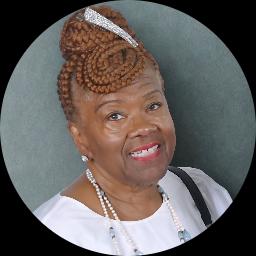
Connie Harris Senter is an Illinois Licensed Clinical Social Worker (LCSW) with 40 years of practice. She supports people facing stress, anxiety, grief, depression, trauma and life changes, and she has a particular interest in life purpose and forgiveness.
Connie uses straightforward conversation and focused attention to help people sort what matters next. Sessions often involve talking through recent events, identifying values, and working on concrete steps to reduce overwhelm. Her tone is direct and steady, aimed at helping people make practical progress over time.
She has extensive experience with post-traumatic stress and abuse recovery, and she helps people process loss and long-running emotional pain. That experience shapes how she helps people build routines and coping skills that fit everyday life. Connie also listens for how spiritual concerns or questions about meaning are affecting the person now.
Her work centers on practical reflection and gradual change rather than quick fixes. Conversations may include examining past experiences, trying new behaviors between sessions, and revisiting what is or isn’t working. Progress is assessed in the next sessions and plans are adjusted when needed.
People who come to Connie are often at a crossroads after a major life change or a long period of strain. She supports them in clarifying priorities and testing small steps toward a clearer sense of direction. If you want to explore purpose or repair the effects of trauma, she offers long-term experience and a steady approach.
Therapeutic approaches and how they work online
Connie draws on evidence-based therapeutic techniques to help people process trauma and find clearer direction. One common approach focuses on building practical coping skills for anxiety and stress, teaching simple strategies to manage symptoms and re-establish daily routines. This helps when worry or overwhelm is making decisions harder.Another frequently used approach addresses post-traumatic stress by processing distressing memories and reducing their hold on daily life. Work like this often combines careful talk with repeated practice of grounding and pacing techniques to reduce reactivity over time.
Choosing the right approach is part of the work. Connie will collaborate with each person to identify what fits their goals, needs, and preferences, and she adjusts methods as progress is seen. That way the plan stays practical and responsive.
Session formats are not listed in the biography, so confirm current session options before booking. Online sessions can make it easier to fit therapy into a busy week, reduce travel time, and allow for shorter check-ins when schedules require. Some formats also mean fewer visual demands, while others allow fuller face-to-face conversation; Connie will help decide what works best for each person.
Areas of expertise
Additional focus areas
Experience
40+ years
Listed in
Illinois
Languages
English
Frequently asked questions
What concerns does she commonly address?
She works with stress, anxiety, trauma and abuse, grief, depression, and coping with life changes, with added focus on forgiveness, life purpose, and post-traumatic stress.
How would she approach someone feeling stuck about their career or purpose?
She uses focused conversation to clarify values and practical next steps, helping people test small changes and reassess what fits.
How long has she been practicing?
She has 40 years of clinical experience supporting people through major life transitions and trauma recovery.
What are her credentials and where is she based?
She is an Illinois LCSW and practices from Illinois.
Which languages are supported for sessions?
Sessions are offered in English.
Can people outside the United States work with her?
She does not accept international clients at this time.
How much do sessions cost?
Cost varies with location; sessions use a subscription that can be canceled at any time.
What is the first step to begin work with her?
Select the See online therapy options button, complete a short matching questionnaire, and schedule a first session.
Online talk therapy is not emergency care. If you are in danger, use the crisis numbers.